
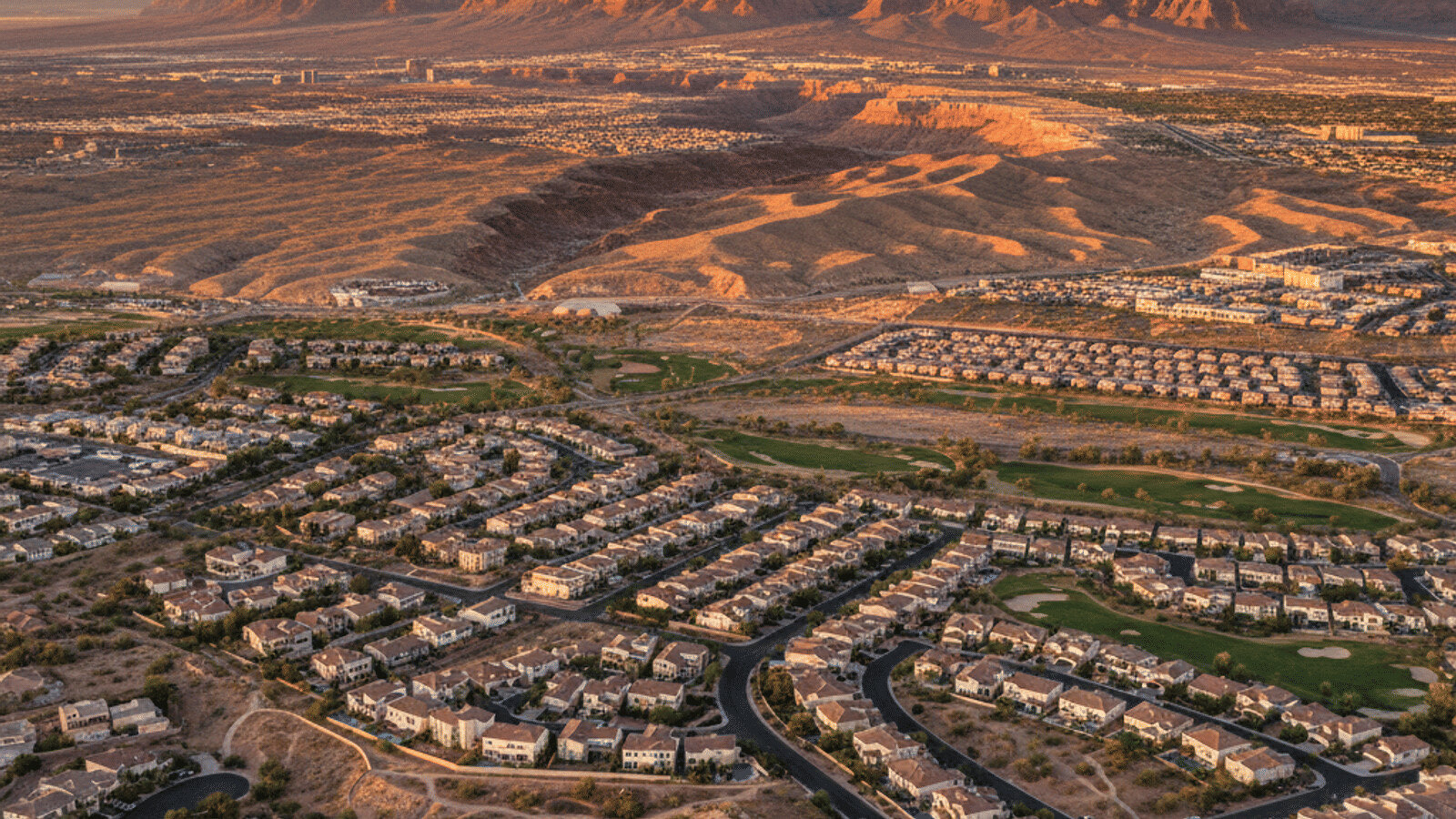
Living in Las Vegas: More Than Just the Neon Lights
If you tell friends you are moving to Las Vegas NV, the first thing they usually ask is which hotel you’ll be living in. It’s a funny misconception, but the reality of life here is vastly different from the postcards. For the millions of us who call the Las Vegas Valley home, the Strip is just a place we visit when out-of-town guests arrive or for a special dinner. The rest of the time, life here looks a lot like it does anywhere else - just with better weather and lower taxes.
Throughout 2025 and into early 2026, we have seen a steady stream of new residents arriving from states like California, Washington, and Illinois. They are drawn here by the financial freedom of no state income tax and the flexibility of remote work, but they stay for the lifestyle. Whether you settle in Las Vegas proper, North Las Vegas, or the distinct municipality of Henderson, you are signing up for 300+ days of sunshine and amenities that rival any major coastal city.
Pros and Cons of Moving to Las Vegas (2026 Edition)
Every city has its trade-offs, and Vegas is no exception. Before you pack the moving truck, it helps to weigh the financial perks against the environmental realities.
The biggest draw for most people is the financial upside. Nevada has no state income tax, which effectively gives many transplants an immediate raise. Combined with housing costs that are generally lower than coastal metros, your dollar simply stretches further here. Beyond the money, the lifestyle is hard to beat. You have unmatched entertainment and a local foodie scene that flies under the radar nationally but is absolutely world-class. Plus, outdoor lovers can be hiking in Red Rock Canyon or boating on Lake Mead within a 30-minute drive from their driveway.
On the flip side, you have to talk about the heat. From June through September, it is intense. We are talking over 100 degrees consistently, which means your AC unit will be running non-stop. You also need to be prepared for a car-dependent lifestyle. While the tourist corridor has buses and monorails, public transit in the suburbs is limited. Finally, one "hidden" cost that surprises newcomers is car insurance. Due to high traffic and accident rates, Clark County has some of the highest premiums in the nation, so budget accordingly.
Cost of Living Analysis: Is Las Vegas Still Affordable?
As of early 2026, the question on everyone's mind is whether the Valley is still the bargain it used to be. The short answer is yes, relatively speaking, but costs have adjusted to our new popularity.
The housing market has settled into a more predictable rhythm compared to the wild swings of a few years ago. For buyers, inventory has stabilized, with the median home price hovering in the $430,000 to $460,000 range. If you aren't ready to buy, the rental market offers plenty of options, though competition can be tight in desirable zones. You can expect to pay roughly $1,300 to $1,500 per month for a decent one-bedroom apartment, depending on the neighborhood and amenities.
When building your monthly budget, pay attention to utilities and transportation. Your power bill will be a rollercoaster - very low in the mild winter months, but potentially spiking to $300 or $400+ in the peak of summer depending on the size of your home and the efficiency of your AC. Gas prices tend to hover slightly above the national average, and as mentioned, vehicle insurance and registration fees here are steep. For everyday expenses like groceries, costs are fairly aligned with national averages, though sales tax in Clark County is around 8.38%, which applies to most goods.
Best Neighborhoods & Suburbs to Call Home
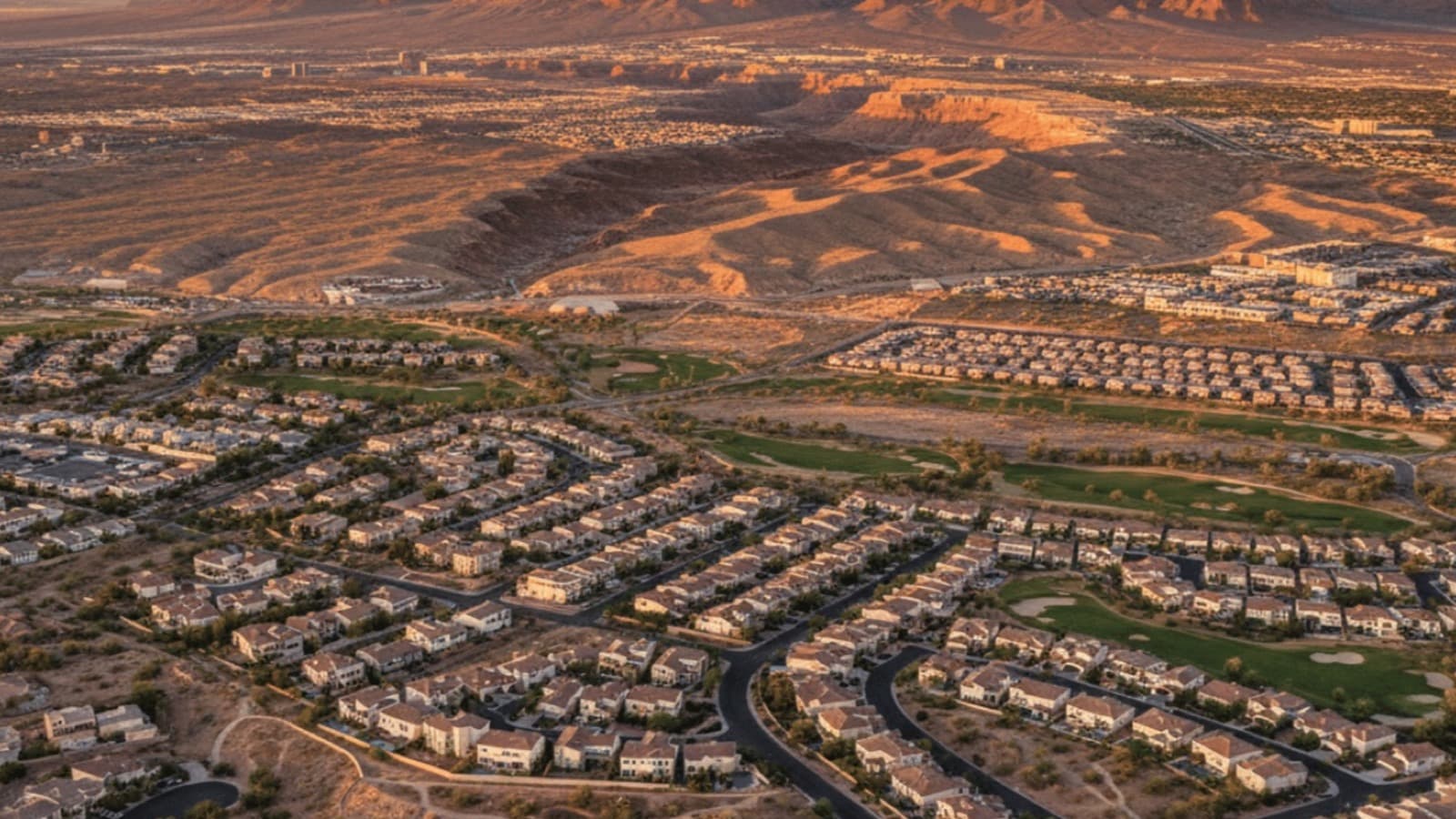
One of the best parts about living in Las Vegas is that the Valley is a collection of very distinct communities. It’s not just one big sprawl; each area has a specific "vibe" and set of amenities.
Summerlin is often the first name that comes up for relocation. It is a massive master-planned community along the western edge of the city. It commands a higher price point, but for that premium, you get extensive walking trails, manicured parks, and immediate access to Red Rock Canyon. It feels very organized and polished.
Henderson is technically its own city - not just a neighborhood - and it frequently ranks as one of the safest cities in America. It has a strong sense of community with excellent recreation centers and parks. It is a great option if you want a slightly slower pace while still being close to the action.
Centennial Hills in the northwest offers a different appeal. Because it sits at a higher elevation, it is often a few degrees cooler than the rest of the valley. The lots tend to be more spacious, giving it a true suburban, sometimes even semi-rural, feel.
Downtown and the Arts District have seen a massive revitalization. This is for people who want urban living, high-rise condos, and walkability to breweries, galleries, and independent restaurants.
The Southwest and Southern Highlands are booming right now. These areas offer modern developments and incredible convenience. Their proximity to the I-15 and the Strip makes them ideal for commuters who want a newer home without the Summerlin price tag.
- Note on HOAs: Be aware that Homeowners Associations are the norm here. Fees typically range from $50 to $200+ per month, covering common area maintenance and sometimes gated security.
The Job Market: Beyond Hospitality
It is a myth that everyone who lives here works on the Strip. While hospitality and gaming are still the economic engines, the local job market has diversified significantly over the last decade.
Healthcare has seen substantial growth, bolstered by the UNLV Kirk Kerkorian School of Medicine and new hospital towers rising across the valley. The tech and logistics sectors are also expanding, taking advantage of our tax-friendly business climate. We have also become a bona fide sports town. The arrival of the Raiders, the Golden Knights, and the impact of Formula 1 has created an entire ecosystem of jobs in sports management, marketing, and event operations.
For remote workers, moving to Las Vegas Nevada is often a strategic career move. Since we have no state income tax on wages, telecommuters essentially get to keep more of their paycheck while enjoying a lower cost of living than the tech hubs they left behind.
Lifestyle: Climate, Outdoors, and Culture
Living here means adapting your schedule to the desert. The "dry heat" is a real thing - 105 degrees here feels different than 90 degrees in humid Florida - but it is still hot. Locals handle the summer by shifting activities to early mornings or late evenings. During the day, we embrace the AC. But the payoff is the rest of the year. Our winters are mild, rarely dipping below freezing, which means you can golf, hike, and dine on patios in January.
Outdoor recreation is a huge part of the local culture. You have Red Rock Canyon for world-class climbing and hiking just minutes from the suburbs. If you miss the snow, you can drive 45 minutes up to Mt. Charleston to ski or just cool off in the pine trees. Lake Mead offers boating and fishing essentially in your backyard.
Culturally, the local dining scene is incredible and mostly detached from the tourist traps. Some of the best food in the city is found in strip malls along Spring Mountain Road in Chinatown, or in local pockets like Green Valley. We also have a strong community pulse with weekly farmers markets, the monthly "First Friday" art festival downtown, and seasonal events that bring neighbors together.
Relocation Logistics: DMV, Utilities, and Schools
Once you decide to make the move, there are a few logistical hurdles to clear.
The DMV here is notorious for long wait times, but they have improved the appointment system. You must get a Nevada driver's license and register your vehicle within 30 days of moving. Make an appointment online as soon as you have a move-in date, or you might be stuck waiting months.
For education, the Clark County School District (CCSD) is the fifth largest in the country. Because of its size, quality can vary by zone, so it is worth researching specific schools. There is also a robust network of charter and magnet schools that offer specialized curriculums, which are very popular alternatives for many households.
Setting up your home involves a few key providers. NV Energy handles electricity, and Southwest Gas covers heating and cooking for most homes. Water is a precious resource here; the Las Vegas Valley Water District has strict conservation rules. You will notice that newer homes rarely have grass in the front yard - desert landscaping (xeriscaping) is the standard and is much easier to maintain. Finally, finding a primary care doctor can take time due to high demand, so start calling providers to get on their new-patient lists before you arrive.
FAQs About Moving to Las Vegas
Is it expensive to live in Las Vegas in 2026?
Compared to national averages, costs are moderate, but they have risen. While housing is still more affordable than in California, daily expenses like groceries and insurance are comparable to other major metros. The lack of state income tax helps balance out these rising costs.
What is the best area to live in Las Vegas?
This depends entirely on your lifestyle. Summerlin and Henderson are top choices for master-planned amenities and parks, while the Southwest offers great value and location. If you want land and space, the northwest around Centennial Hills is often the best bet.
Does Las Vegas have state income tax?
No, Nevada is one of the few states with 0% state income tax. This applies to wages, interest, and dividends, which is a primary financial driver for many people relocating here.
Is it hard to find a job in Las Vegas if you don't work in a casino?
Not anymore. While hospitality is huge, there are abundant opportunities in healthcare, logistics, construction, and education. The remote work sector is also massive here given the tax benefits.
How do locals survive the summer heat?
We adapt our schedules. Outdoor exercise happens at 6:00 AM or 8:00 PM, and we maximize indoor amenities during the midday peak. We also escape to Mt. Charleston or the pool on weekends to beat the temperatures.