
Published February 9, 2026 · Updated June 16, 2026 · By Chris Nevada, Nevada Real Estate Group · NV License S.181401
When most people hear "Las Vegas," they picture $25 cocktails and overpriced steaks on the Strip. But for those of us who actually live here, the financial reality is far more encouraging. We are not paying tourist prices for groceries, and the most powerful financial perk — zero state income tax — kicks in the moment you unpack your boxes.
As Nevada Real Estate Group's founding broker, I have helped thousands of families relocate to the Las Vegas valley over the past 16 years. The question I hear every week is the same: "How much does it actually cost to live there?" The honest answer is that Las Vegas sits about 5 percent above the national cost-of-living average, which sounds unremarkable until you realize that figure compares us to every small town in the country. Against coastal California — where most of our relocating buyers come from — Las Vegas runs 15 to 20 percent cheaper, and that gap widens considerably once you factor in no state income tax.
This guide walks through every major expense category with 2025–2026 data so you can build a real monthly budget before you commit to the move.
Las Vegas costs roughly 5 percent more than the national average in 2026, with a median home price near $479,500 and median rent around $1,550 per month. Nevada has no state income tax, keeping more of your paycheck than any California or Oregon address. Monthly expenses for a single person run approximately $2,800 to $3,400 all-in; a family of four typically budgets $5,500 to $7,000 depending on housing choice and lifestyle. The biggest surprises for newcomers are summer electric bills (up to $400 per month) and car insurance (averaging $335 per month). Call Nevada Real Estate Group at (702) 637-1759 to build a personalized relocation budget.
- Las Vegas median home price is approximately $479,500 in mid-2026 — down from the 2022 peak but still 18% above pre-pandemic levels.
- Nevada's zero state income tax saves a $120,000-a-year household roughly $6,000 to $9,000 annually compared to California.
- Median apartment rent in the Las Vegas valley runs $1,500 to $1,700 per month, with newer units in Summerlin and Henderson averaging $2,000 or more.
- Summer electricity bills for a standard single-family home regularly hit $300 to $500 in July and August — budget annually, not monthly.
- Groceries and dining away from the Strip cost 3 to 6 percent less than in Los Angeles, and locals-discount programs cut entertainment costs significantly.
How Much Does It Cost to Live in Las Vegas in 2026?
According to the U.S. Bureau of Labor Statistics Consumer Expenditure Survey, the average American household spends about $72,900 per year on all goods and services. In Las Vegas, that number runs roughly 5 percent higher, landing around $76,500 for a comparable household. The gap narrows considerably when you exclude the California comparison because the primary driver of Vegas's above-average index is housing, which has risen sharply since 2020.
Here is a high-level monthly snapshot for a single adult living in a one-bedroom apartment in a mid-tier Las Vegas neighborhood:
| Expense Category | Low Estimate | Mid Estimate | High Estimate |
|---|---|---|---|
| Rent (1BR apartment) | $1,300 | $1,550 | $2,100 |
| Electricity (annualized) | $110 | $160 | $250 |
| Gas / Water / Trash | $80 | $120 | $160 |
| Internet | $60 | $85 | $110 |
| Groceries | $320 | $400 | $500 |
| Car Insurance | $200 | $335 | $500 |
| Gas / Transportation | $120 | $180 | $280 |
| Dining Out / Entertainment | $200 | $350 | $600 |
| Healthcare (out-of-pocket) | $100 | $180 | $300 |
| Miscellaneous | $100 | $200 | $350 |
| Total Monthly | $2,590 | $3,560 | $5,150 |
These numbers reflect residential Las Vegas — not Strip or tourist pricing. The variance at the high end is driven almost entirely by housing choice and car insurance tier.
How Much Is Housing in Las Vegas in 2026?
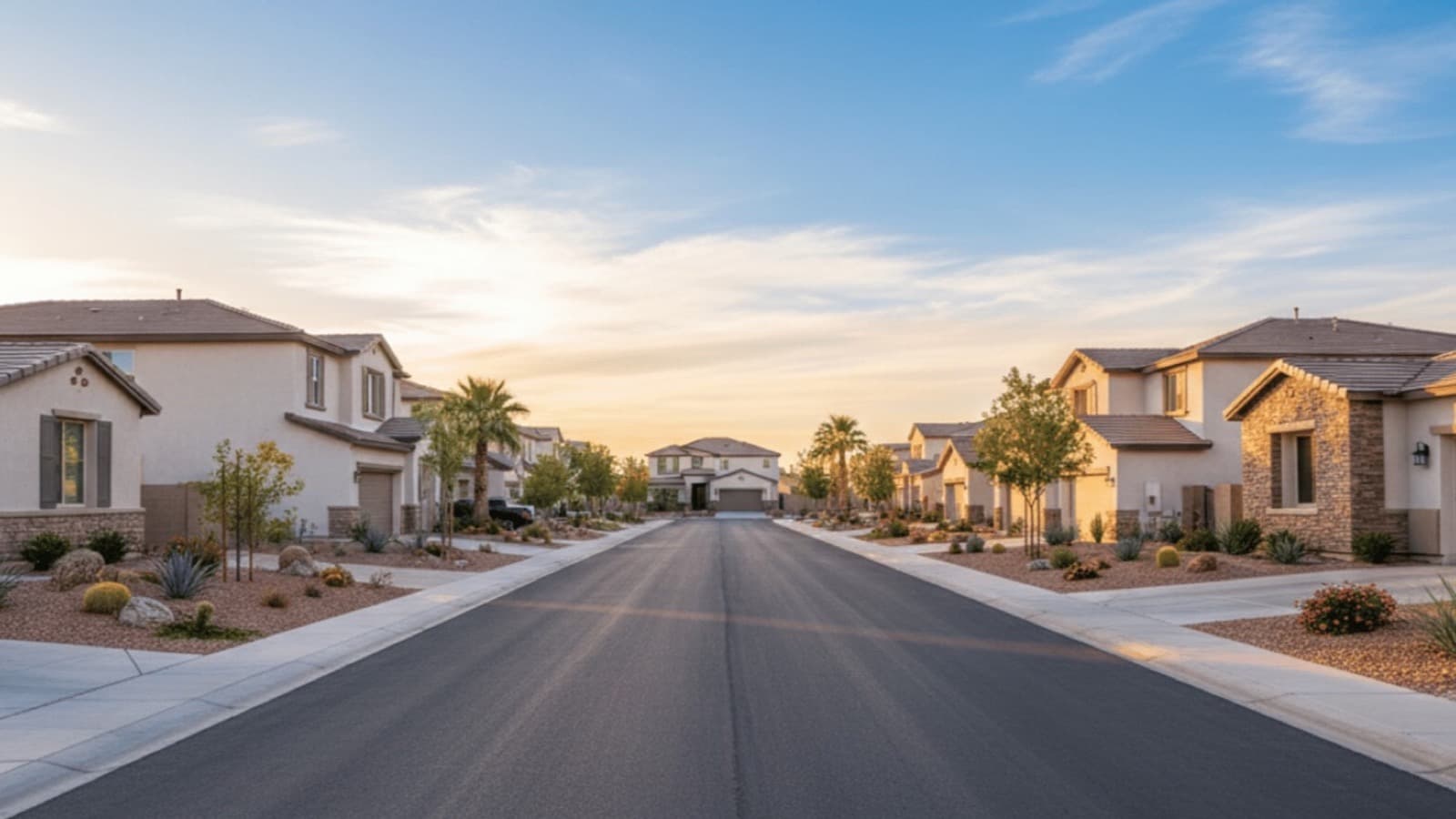
Housing is typically the largest single expense in any budget, and Las Vegas has been through a remarkable cycle in the last five years. After the median home price nearly doubled between 2019 and 2022, the market has pulled back and stabilized. According to Las Vegas REALTORS (LVR/GLVAR), the median single-family home price in the greater Las Vegas area as of mid-2026 sits near $479,500 — up modestly from the prior year but well below the 2022 peak.
For buyers, this is a meaningful improvement over the bidding-war environment we saw in 2021 and 2022. Multiple-offer situations are less common, sellers are contributing toward closing costs again, and inventory has risen in most price bands. Our team at Nevada Real Estate Group is actively closing deals in the $350,000 to $550,000 range with negotiated concessions that were simply unavailable two years ago.
Entry-level single-family homes in North Las Vegas and older parts of Las Vegas proper start around $280,000 to $320,000 for a 1,200- to 1,500-square-foot home built in the 1980s or 1990s. Move-up buyers looking in Henderson will typically budget $450,000 to $650,000 for a well-maintained home in a master-planned community. Luxury buyers targeting Summerlin guard-gated villages should expect $700,000 to $1.5 million for a newer custom home in the mid-tier enclaves, with the highest-end guard-gated estates exceeding $3 million.
What Is Rent in Las Vegas in 2026?
Renting has stabilized after a sharp run-up during the pandemic. According to the U.S. Department of Housing and Urban Development (HUD), the Clark County fair market rent for a one-bedroom unit is approximately $1,270 — but that benchmark lags the actual market. Real-time listings show one-bedroom apartments in mid-tier neighborhoods averaging $1,450 to $1,700 per month, with upscale complexes in Summerlin and Henderson running $1,900 to $2,400.
Studio apartments in older complexes near downtown Las Vegas or North Las Vegas can dip as low as $900 to $1,100. Two-bedroom units in desirable neighborhoods typically fall in the $1,700 to $2,200 range. Three-bedroom single-family rental homes in master-planned communities command $2,200 to $2,800 per month.
What Are HOA Fees in Las Vegas Communities?
One cost that surprises many newcomers is the prevalence of Homeowners Associations (HOAs). According to the Clark County Assessor's Office, the vast majority of homes built after 2000 in the Las Vegas valley belong to at least one HOA. In master-planned communities like Summerlin and Lake Las Vegas, layered HOA structures mean buyers may pay both a master community fee and a sub-association fee.
Typical ranges:
- Standard single-family home: $50 to $150 per month
- Guard-gated neighborhood within a master plan: $200 to $400 per month
- Luxury guard-gated (full-service amenities): $400 to $700 per month
- Attached condos and townhomes: $250 to $500 per month (often covers exterior insurance and roof)
For buyers focused on total housing cost, always add the HOA fee to the mortgage payment when assessing affordability. A $500,000 home with a $350 monthly HOA has a different true cost than a $500,000 home with a $75 HOA.
What Are Utilities and Groceries Like in Las Vegas?
Utilities in Southern Nevada follow a seasonal seesaw that catches almost every newcomer off guard. The short version: winter bills are modest, summer bills are brutal.
Electricity: NV Energy serves most of the valley on tiered rate schedules. According to NV Energy's residential rate schedule, the base charge is low, but consumption charges escalate rapidly above certain monthly kilowatt-hour thresholds. During moderate months (October through April), a standard 1,800-square-foot home might use 600 to 900 kWh per month, producing a bill of $80 to $140. In July and August, when temperatures regularly exceed 110°F, the same home can consume 2,000 to 3,000 kWh to maintain comfortable indoor temperatures — pushing the bill to $300 to $500 or more. Budget on an annualized basis, not month-to-month.
Natural gas: The flip side of hot summers is our mild winters. Gas heating bills in January and February typically run $80 to $150 for a single-family home — far below Midwest or Northeast winter heating costs.
Water and sewer: Las Vegas is in the Mojave Desert, and water conservation is a real policy priority. The Southern Nevada Water Authority structures tiered water pricing to encourage conservation. For a typical household, combined water and sewer charges run $65 to $110 per month. Larger lots with irrigated landscaping can push this higher.
Internet and phone: These track national averages. Major providers offer 1-gigabit plans for $70 to $90 per month. Mobile plan costs are similar to the rest of the country.
Groceries: Major chains serving Las Vegas include Smith's (Kroger), Vons (Safeway), Walmart, Costco, and a growing number of Sprouts and Whole Foods locations. According to the U.S. Census Bureau economic data and BLS regional price comparisons, Las Vegas grocery costs generally run 3 to 6 percent below Los Angeles but 2 to 4 percent above the national average. A single adult typically spends $350 to $450 per month on groceries with average cooking habits. A family of four budgets $700 to $900 per month.
The key for grocery costs: avoid shopping in the tourist corridor. Strip-adjacent convenience stores charge a significant premium. Residential neighborhood grocery stores — especially in Summerlin and Henderson — offer competitive pricing comparable to any other major Sun Belt metro.

How Do Las Vegas Taxes Affect Your Cost of Living?
Nevada's tax structure is the single most powerful financial reason to relocate to Las Vegas, and it deserves a detailed explanation. The headline number is zero — zero percent state income tax.
According to the Nevada Department of Taxation, Nevada does not levy a personal income tax. That means:
- Your wages are not taxed at the state level
- Remote work income is not taxed at the state level
- Social Security benefits are not taxed at the state level
- Pension and 401(k) withdrawals are not taxed at the state level
- Capital gains are not taxed at the state level
For a household earning $100,000 per year relocating from California, this single change typically saves $5,000 to $8,000 annually depending on deductions and filing status. For a $200,000-income household, the savings approach $15,000 to $20,000 per year. According to the Tax Foundation, California's top marginal rate of 13.3% is the highest in the nation — making Nevada's zero-income-tax status even more dramatic by comparison.
Sales tax: The trade-off is a higher sales tax. In Clark County, the combined state and local sales tax rate is 8.375%. This is above average nationally (the U.S. median is approximately 6%), but because it is consumption-based, disciplined buyers with modest discretionary spending see a modest impact.
Property tax: According to Nevada Revised Statutes Chapter 361, Nevada imposes a property tax abatement law for primary residences that caps annual increases at 3% per year regardless of market value appreciation. For investment properties and rentals, the cap is 8% per year. The effective property tax rate for most Clark County homeowners runs 0.5% to 0.6% of assessed value — one of the lowest effective rates in the Western United States. On a $479,500 home, that translates to roughly $2,400 to $2,880 in annual property taxes, or approximately $200 to $240 per month added to a mortgage payment.
How Does Las Vegas Compare to California and the National Average?
The comparison that motivates most of our relocation clients is Las Vegas versus Southern California. According to the U.S. Bureau of Economic Analysis (BEA) regional price parities, Los Angeles metro costs run approximately 24 percent above the national average, while Las Vegas sits only 5 percent above. That 19-percentage-point gap has a material impact on monthly budgets.
| Expense Category | Las Vegas | Los Angeles | National Average |
|---|---|---|---|
| 1BR Apartment Rent | $1,550 | $2,450 | $1,420 |
| Median Home Purchase Price | $479,500 | $875,000 | $412,000 |
| Monthly Electricity (avg) | $160 | $130 | $140 |
| Monthly Groceries (single) | $400 | $450 | $380 |
| Car Insurance (avg monthly) | $335 | $210 | $165 |
| State Income Tax (top rate) | 0% | 13.3% | varies |
| Effective Property Tax Rate | 0.55% | 1.10% | 1.10% |
| Overall Cost Index | 105 | 124 | 100 |
The one category where Las Vegas runs higher than Los Angeles is car insurance. This is driven by higher accident rates, a 24-hour traffic environment, and elevated auto theft statistics in certain zip codes. Budget carefully here — especially if you drive a newer or financed vehicle.
How Does Nevada's Tax Advantage Stack Up Against Other States?
To put Nevada's tax advantage in full context, here is a comparison of tax burden across common migration states. According to the Nevada Department of Taxation and the Tax Foundation's state tax comparison data:
| Tax Category | Nevada (Las Vegas) | California | Arizona | Texas |
|---|---|---|---|---|
| State income tax | 0% | Up to 13.3% | 2.5% flat | 0% |
| Social Security income tax | None | None (state) | None (state) | None |
| Pension / retirement income tax | 0% | Fully taxed | Partially exempt | 0% |
| Estate or inheritance tax | None | None (state) | None | None |
| Effective property tax rate | Under 0.6% | Approximately 1.1% | Approximately 0.66% | Approximately 1.6% |
| Sales tax (Clark / comparable county) | 8.375% | Up to 10.75% | Up to 10.3% | Up to 8.25% |
Texas is often cited as Nevada's closest competitor in the no-income-tax category, but Texas's property tax rates — averaging 1.6% effective — significantly offset the income-tax savings for homeowners. On a $479,500 home, a Texas property tax bill could run $7,700 per year versus roughly $2,650 in Nevada. That $5,050 annual difference is a meaningful component of the total tax comparison.
What Salary Do You Need to Live Comfortably in Las Vegas?
This is the practical question every relocating buyer asks, and the answer depends entirely on lifestyle expectations and housing tenure. Using the standard financial-planning guideline that housing should not exceed 30 percent of gross income, here is a salary framework:
Renting:
- Comfortable single adult (1BR apartment in a mid-tier neighborhood): approximately $58,000 to $68,000 gross annual income
- Comfortable couple in a 2BR apartment: approximately $75,000 to $90,000 combined gross income
- Family of four renting a 3BR home in a master-planned community: approximately $100,000 to $130,000 combined gross income
Buying:
- Purchasing a $350,000 starter home with 10% down: approximately $75,000 gross income to stay within conventional debt-to-income guidelines
- Purchasing a $479,500 median-priced home with 10% down: approximately $100,000 to $112,000 gross income
- Purchasing a $600,000 move-up home in Henderson with 20% down: approximately $130,000 to $150,000 gross income
According to U.S. Census Bureau QuickFacts for Clark County, the median household income in Clark County is approximately $67,000. This is notably below the income needed to comfortably purchase the median-priced home without a substantial down payment, which helps explain the valley's active rental market and the growing importance of down-payment assistance programs for first-time buyers.
Across the 9,600-plus closings Nevada Real Estate Group has represented, buyers consistently achieve their target neighborhoods when they plan 12 to 18 months ahead, build a down payment reserve, and factor the no-income-tax savings into their pre-qualification. The tax advantage is not just a lifestyle perk — it is a legitimate mechanism to qualify for a larger mortgage.
What Are the Cheapest and Most Expensive Neighborhoods in Las Vegas?
The Las Vegas valley encompasses a wide range of price points, and neighborhood choice is the single largest lever on your cost of living.
Most affordable residential areas (lower housing costs):
North Las Vegas consistently offers the valley's most accessible price points. Established neighborhoods near the Craig Road and Cheyenne Avenue corridors feature single-family homes in the $280,000 to $380,000 range. Newer master-planned communities in North Las Vegas — including Aliante and the Apex area — offer entry pricing in the $380,000 to $450,000 range with excellent community infrastructure. According to local market data tracked by Las Vegas REALTORS, North Las Vegas median prices run approximately 15 to 20 percent below the valley-wide median.
The eastern Las Vegas valley (zip codes 89121 and 89122) offers older single-family inventory from $280,000 to $400,000, though infrastructure quality and school ratings vary significantly by specific neighborhood.
Mid-range neighborhoods (solid value):
Southern Henderson zip codes (89002, 89015) deliver strong value — master-planned communities with excellent infrastructure, well-rated schools, and median prices in the $400,000 to $500,000 range. Centennial Hills in the far northwest valley has grown rapidly, offering newer construction at $420,000 to $580,000 with easy freeway access.
Premium neighborhoods (highest costs):
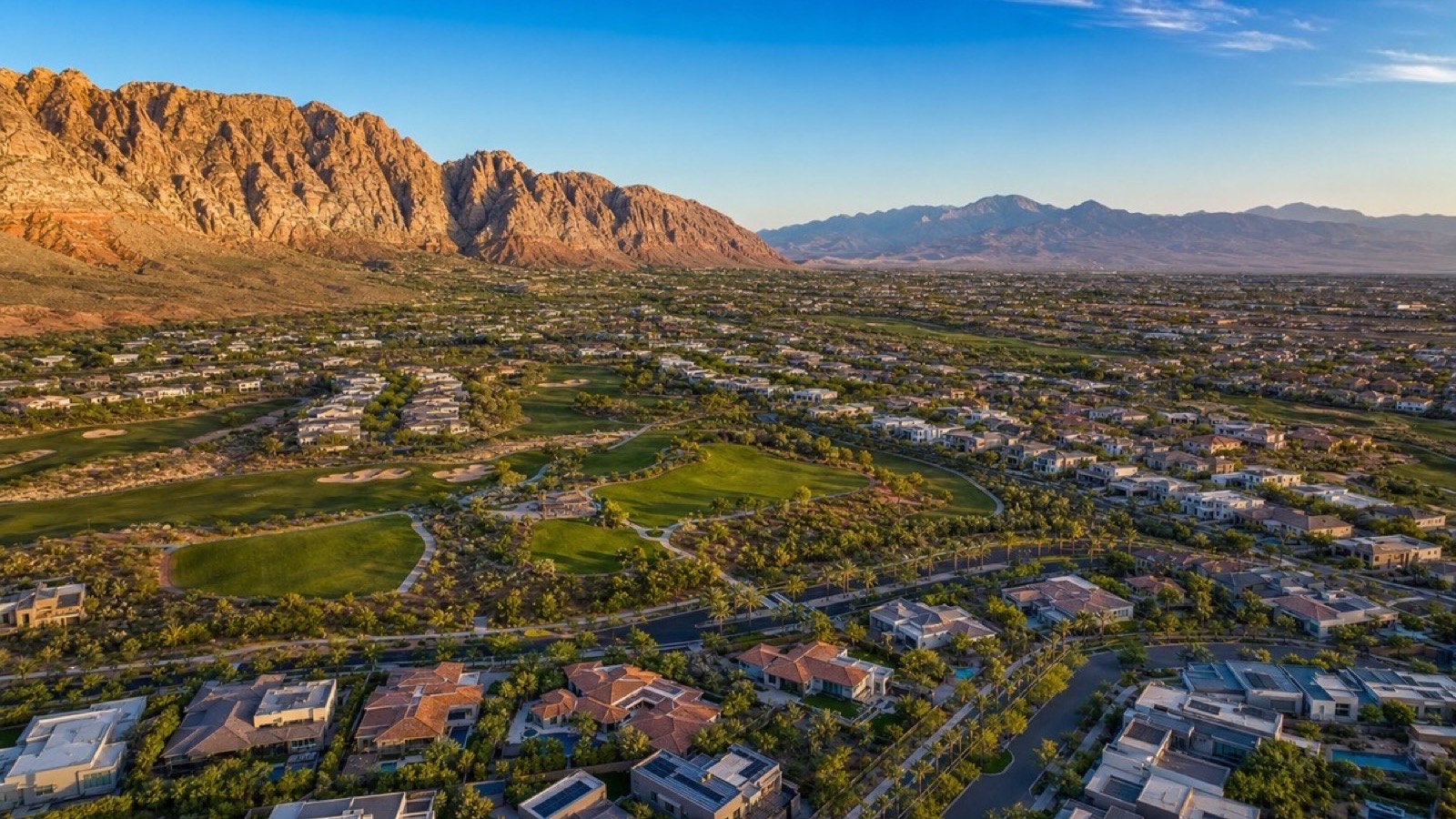
Summerlin commands a premium across all price bands. Entry-level townhomes start near $450,000, and the premium guard-gated villages — The Cliffs, Kestrel, The Ridges, Red Rock Country Club — range from $1 million to well above $5 million. The premium reflects master-plan quality, proximity to Red Rock Canyon National Conservation Area, and consistently top-rated CCSD schools.
MacDonald Highlands and Lake Las Vegas in Henderson are the valley's comparable luxury benchmarks, with gated estate homes starting near $1.5 million and reaching into eight figures for exceptional properties.
What Does Transportation Cost in Las Vegas?
Transportation is the second-biggest budget surprise for Las Vegas newcomers, after summer electricity. The Las Vegas valley is geographically spread across nearly 600 square miles, and while the Regional Transportation Commission (RTC) bus system covers major corridors, most residents rely on personal vehicles for daily commuting.
Car insurance: This is where Las Vegas diverges from the national picture sharply. According to the Nevada Division of Insurance, Nevada consistently ranks among the top five states for auto insurance premiums. The average full-coverage monthly premium in Clark County runs approximately $335 per month — more than double the national average of $165. The drivers include high accident frequency at major intersections, elevated auto theft rates, extensive litigation for personal injury claims, and the 24-hour traffic environment unique to Las Vegas. Budget carefully, and call your insurer for a Nevada-specific quote before moving.
Gasoline: Las Vegas generally prices gasoline below California but above the national average. In mid-2026, regular unleaded averages approximately $3.35 to $3.50 per gallon. Given valley distances, a typical commuting driver covers 800 to 1,200 miles per month, translating to $80 to $160 per month in fuel depending on vehicle efficiency.
Public transit: The RTC Deuce runs the Strip 24 hours a day, and the ACE Express routes connect major employment corridors. However, service frequency and geographic reach outside major corridors is limited. Residents of master-planned communities like Summerlin or Mountain's Edge typically find public transit impractical for daily commuting.

What Entertainment and Recreation Costs Can Residents Expect?
One of the underappreciated aspects of Las Vegas's cost picture is how much cheaper it is to live here as a resident versus visiting as a tourist. Locals access a parallel economy of discounts, comp programs, and affordable recreation that tourists never see.
Casino locals programs: Every major casino property offers a rewards card program. Locals accumulate points from play and dining, unlocking free or heavily discounted meals, show tickets, hotel stays, and merchandise. A moderate casino visitor can realistically offset $100 to $300 per month in discretionary entertainment spending through these programs.
Outdoor recreation: Red Rock Canyon National Conservation Area is 20 minutes from central Summerlin and charges approximately $20 per vehicle for a day pass. The Calico Hills hiking corridors, the 13-mile scenic loop, and dozens of climbing routes make this one of the most accessible world-class outdoor experiences in any U.S. metro. Lake Mead National Recreation Area, Valley of Fire State Park, and the Spring Mountains National Recreation Area (Mount Charleston) are all within 45 to 75 minutes — most charging under $25 per vehicle.
Dining: Strip restaurants charge $40 to $200 per person for dinner. The same quality experience in Henderson or Summerlin costs $20 to $60 per person. Locals know to eat in the valley, not on the Strip. Chinatown on Spring Mountain Road, the district near Sahara and Rainbow, and the Downtown Arts District all offer exceptional dining at prices comparable to any Sun Belt city.
Shows and entertainment: Las Vegas has more live entertainment per capita than any other U.S. city. Locals discount tickets — available through casino hosts, entertainment apps, and last-minute offer programs — regularly provide 30 to 50 percent off face value. A local household that engages with the entertainment ecosystem typically spends $100 to $300 per month on shows and activities.
What Should You Know About Healthcare Costs in Las Vegas?
Healthcare is one area where Las Vegas tracks closely with national averages rather than offering a significant discount or premium. The valley is served by major health systems including Dignity Health-St. Rose Dominican, Sunrise Hospital (HCA Healthcare), University Medical Center, and Valley Health System, alongside numerous urgent care networks and specialty practices.
According to the U.S. Department of Health and Human Services, Nevada's health insurance marketplace premiums for a 40-year-old non-smoker run close to the national median — approximately $450 to $600 per month for a silver-tier plan before employer subsidies. Employer-sponsored coverage often reduces this to $150 to $300 per month in employee contributions.
The more relevant healthcare consideration for Las Vegas is specialist access. The valley has grown rapidly, and while primary care access has improved, wait times for certain specialists can run several weeks — similar to other fast-growing metros like Austin and Phoenix.
Dental care and vision care costs are broadly comparable to national averages.
What Salary Do You Need to Retire Comfortably in Las Vegas?
Las Vegas has emerged as one of the top retirement destinations in the United States, and the tax structure is the primary driver. According to the Social Security Administration, Social Security benefits are not taxed at the state level in Nevada — meaning retirees receiving $2,500 per month in Social Security plus $2,000 in pension or 401(k) distributions keep every dollar of that income at the state level.
For a retired couple spending $4,500 per month on housing, food, transportation, and healthcare, a combined retirement income of $55,000 to $65,000 per year provides a comfortable lifestyle in Las Vegas. In contrast, the same lifestyle in California requires $70,000 to $85,000 in pre-tax retirement income to net the same after-state-income-tax dollars.
Active adult communities like Sun City Summerlin, Siena, and the Pulte Active Adult villages in the northwest valley offer maintenance-free living, resort-style amenities, and HOA fees that replace most home maintenance costs. According to data from Nevada Real Estate Group's active adult division, buyers in 55-plus communities typically pay $380,000 to $600,000 for homes in these communities — below the valley median for equivalent quality.
What Are the Hidden Costs of Living in Las Vegas?
Every city has budget surprises, and Las Vegas has a specific set worth knowing before you move.
Car insurance sticker shock is the most common. Buyers who pre-qualified for a mortgage based on their Ohio or Oregon insurance rates often discover their Clark County premium adds $100 to $200 per month to their budget versus what they paid in their previous state.
Pest control is a recurring cost unique to desert living. Scorpions, desert cockroaches, and black widows are a real part of Southern Nevada life. Most homeowners budget $50 to $100 per month for quarterly or monthly pest control service.
Landscaping and irrigation costs depend on lot size and landscaping type. Desert-native landscaping (which Clark County incentivizes through lawn-removal rebates) is low-cost once established. Traditional turf lawns face increasing water-rate pressure and may trigger county restrictions. Expect to spend $50 to $200 per month on landscaping service depending on lot size and vegetation.
HOA move-in fees can catch buyers off-guard at closing. Many Las Vegas master-planned communities charge a one-time transfer or initiation fee ranging from $250 to $2,500 at the time of purchase in addition to monthly dues.
Summer wardrobe and vehicle care: Desert heat is genuinely hard on vehicles. Budget for annual service on cooling systems, battery replacement more frequently than in cooler climates, and potential AC unit servicing on your home — a failed condenser unit in July is a genuine emergency. New residents from cooler climates also typically invest in sun-protection items (window tinting, UV-blocking blinds, sun shades) that are essential here but optional elsewhere.
Frequently Asked Questions About the Cost of Living in Las Vegas
How much does a single person need to earn to live comfortably in Las Vegas?
A single adult renting a decent one-bedroom apartment in a mid-tier Las Vegas neighborhood needs approximately $55,000 to $68,000 in gross annual income to live comfortably without financial stress. That income covers $1,500 to $1,700 in rent, $335 in car insurance, utilities, groceries, and modest discretionary spending while leaving room for savings. Higher lifestyle expectations — renting in Summerlin or Henderson, driving a newer vehicle — push the comfortable threshold toward $75,000 to $85,000.
Is Las Vegas cheaper than Phoenix or Scottsdale?
Phoenix's overall cost index runs approximately 4 to 6 percent below Las Vegas, primarily because Arizona housing prices have historically been lower. However, Arizona levies a flat 2.5% state income tax, which narrows or eliminates the overall advantage for earners above $50,000. For a household earning $100,000, Nevada's zero income tax saves approximately $2,500 more annually than Arizona — enough to offset the housing cost differential for most buyers. High earners generally come out ahead in Las Vegas; moderate earners find Phoenix and Scottsdale more competitive.
Why is car insurance so expensive in Las Vegas?
Las Vegas car insurance rates are among the highest in the nation for three primary reasons. First, Nevada has a high rate of uninsured drivers — according to the Insurance Research Council, approximately 10 to 12 percent of Nevada drivers carry no insurance, which raises premiums for insured drivers through uninsured motorist coverage requirements. Second, the 24-hour economy means traffic and accident exposure never stops — more time on the road statistically means more accidents per driver. Third, Nevada courts are considered plaintiff-friendly for personal injury litigation, which increases insurer settlement costs and drives up premiums across the board.
What is the average electric bill in Las Vegas?
Electric bills in Las Vegas vary dramatically by season. In the mild months (October through April), a standard 1,800-square-foot home typically pays $80 to $140 per month. In peak summer (July and August), the same home commonly sees bills of $300 to $500 to maintain indoor temperatures against 110°F heat. For budgeting purposes, annualize your electricity cost and set aside the difference between winter and summer bills during the cooler months. Newer homes with efficient HVAC systems and good insulation can significantly reduce summer peak consumption.
Is it worth buying versus renting in Las Vegas right now?
For most buyers planning to stay at least four to five years, buying makes sense in the current Las Vegas market. According to Las Vegas REALTORS, inventory has risen and sellers are more negotiable than at any point since 2019. The combination of no state income tax (which increases take-home pay and therefore mortgage-qualifying income), Nevada's 3% annual property tax cap, and the valley's long-term population growth trajectory support ownership. That said, buyers with horizons under three years are likely better positioned to rent given transaction costs and current mortgage rates. Call (702) 637-1759 to discuss your specific situation with a Nevada Real Estate Group agent.
How much are property taxes on a Las Vegas home?
Property taxes in Clark County are low by national standards. The effective rate for primary residences typically runs 0.5% to 0.6% of assessed value, and annual increases are capped at 3% per year by Nevada state law regardless of market appreciation. On a $479,500 home, expect annual property taxes of approximately $2,400 to $2,880 — or roughly $200 to $240 per month included in a mortgage escrow. This compares favorably to Texas ($6,800+ annually on the same value), Illinois ($5,000+), and New Jersey ($8,000+).
Is Las Vegas a good place to retire on a fixed income?
Yes — for most retirees on fixed income, Las Vegas is one of the strongest financial environments in the country. Nevada taxes zero percent on Social Security, pension income, IRA withdrawals, and annuity payments. The 3% annual property tax cap protects long-term homeowners from assessment shocks. Active adult communities offer maintenance-free living for $380,000 to $550,000. Healthcare infrastructure has improved significantly and tracks national averages in cost. The primary cost risk for retirees is summer electricity and, if driving is expected, car insurance — both manageable with planning.
How does Las Vegas compare to Henderson for cost of living?
Henderson and Las Vegas proper are distinct municipalities within Clark County, and they serve somewhat different buyer profiles. Henderson generally commands a modest price premium — approximately 5 to 10 percent higher median home prices — in exchange for highly rated schools, lower crime statistics, and well-maintained master-planned community infrastructure. Day-to-day living costs (groceries, utilities, restaurants) are comparable across both cities. For many families, the Henderson premium buys meaningful quality-of-life improvements; for buyers prioritizing price per square foot, the Las Vegas side of the valley offers better value. Our Henderson versus Las Vegas comparison guide provides a full side-by-side analysis.
Which Sources Inform This Las Vegas Cost of Living Guide?
The cost-of-living data in this guide draws from multiple authoritative public and industry sources. Home prices, tax rules, and market conditions change — confirm specifics with the relevant authority and a qualified professional before acting. This is general information, not tax, legal, or financial advice.
- U.S. Census Bureau — Clark County QuickFacts
- Bureau of Labor Statistics — Consumer Expenditure Survey
- Nevada Department of Taxation — income and sales tax
- Nevada Revised Statutes Chapter 361 — property tax abatement
- Las Vegas REALTORS (LVR/GLVAR) — median home price data
- NV Energy — residential rate schedules
- U.S. Department of Housing and Urban Development (HUD) — fair market rents
- Clark County Assessor's Office — property assessment data
- Social Security Administration — benefit and taxation information
- Tax Foundation — state tax comparison data
- U.S. Bureau of Economic Analysis — regional price parities
- Nevada Division of Insurance — auto insurance data
- U.S. Department of Health and Human Services — marketplace premiums
- National Association of REALTORS — housing affordability index
Data reflects publicly available figures as of 2025–2026. Individual costs vary significantly by household size, location within the valley, lifestyle, and personal spending habits. Contact Nevada Real Estate Group at (702) 637-1759 or browse Las Vegas homes for sale for personalized relocation guidance.