

Published July 1, 2026 · By Chris Nevada, Nevada Real Estate Group · NV License S.181401
The cost of living in Sparks, NV in 2026 is the value story of the Truckee Meadows. Sparks shares a border, schools, and a regional economy with Reno, but its median home runs about $440,000 — roughly $120,000 below Reno's $560,000 — making it the affordable way to live the Northern Nevada lifestyle. The city runs about 15% above the national cost-of-living average, with housing doing almost all of the heavy lifting, and Nevada's zero state income tax stretches every paycheck further than across the Sierra in California.
I build this exact budget with relocating clients constantly. Across the more than 9,600 transactions Nevada Real Estate Group — the #1 real estate team in the state — has closed, Sparks is where value-focused buyers consistently land when Reno feels like a stretch. This guide breaks down the cost of living category by category — housing, rent, utilities, groceries, transportation, healthcare, and taxes — then covers the salary you need and how Sparks compares to Reno and California. For a personalized budget-to-home match, call our Northern Nevada team at (775) 277-2120 or browse Sparks homes for sale.
The cost of living in Sparks, NV in 2026 runs about 15% above the national average, driven by housing, with the median home near $440,000 — below Reno's $560,000. A single adult is comfortable on roughly $56,000–$74,000 a year and a family of four on about $100,000–$150,000. Nevada's zero state income tax and low property taxes stretch every dollar, making Sparks the value play of the Reno-Sparks metro.
- Sparks's median home runs about $440,000 — roughly $120,000 below neighboring Reno's.
- A single adult needs roughly $56,000–$74,000 a year; a family of four about $100,000–$150,000.
- Nevada's zero state income tax and low property taxes are major cost advantages.
- Sparks shares Reno's schools, jobs, and Tahoe access at a lower price point.
- Housing is the main cost driver — call (775) 277-2120 to map your budget.
How much does it cost to live in Sparks?
Living comfortably in Sparks in 2026 costs less than neighboring Reno while keeping the same regional lifestyle. Sparks runs about 15% above the national cost-of-living average — a few points below Reno's roughly 18% — with the difference driven almost entirely by housing. The median Sparks home near $440,000 sits well below Reno's $560,000, and that single number is the core of the city's value proposition. Beyond housing, most categories track close to national norms, so housing really is the whole story when comparing Sparks to its neighbors.
For a typical household, that translates to a comfortable life on a moderate income, especially compared with California or even Reno just across the city line a few minutes away. The savings are real every month, and Nevada's tax structure makes them compound year after year, which is why so many working families and first-time buyers plant roots in Sparks rather than Reno. According to the U.S. Census Bureau, Sparks's median household income reflects its working-family character, and the city's access to the Tahoe-Reno Industrial Center jobs supports steady budgets. The appeal is precisely this balance: the full Reno-Sparks lifestyle — Sierra access, four seasons, a growing job market — at a lower price point. Our companion guide on the cost of living in Reno shows the pricier side of the same metro. The sections below break the costs down category by category.
How much does housing cost in Sparks?
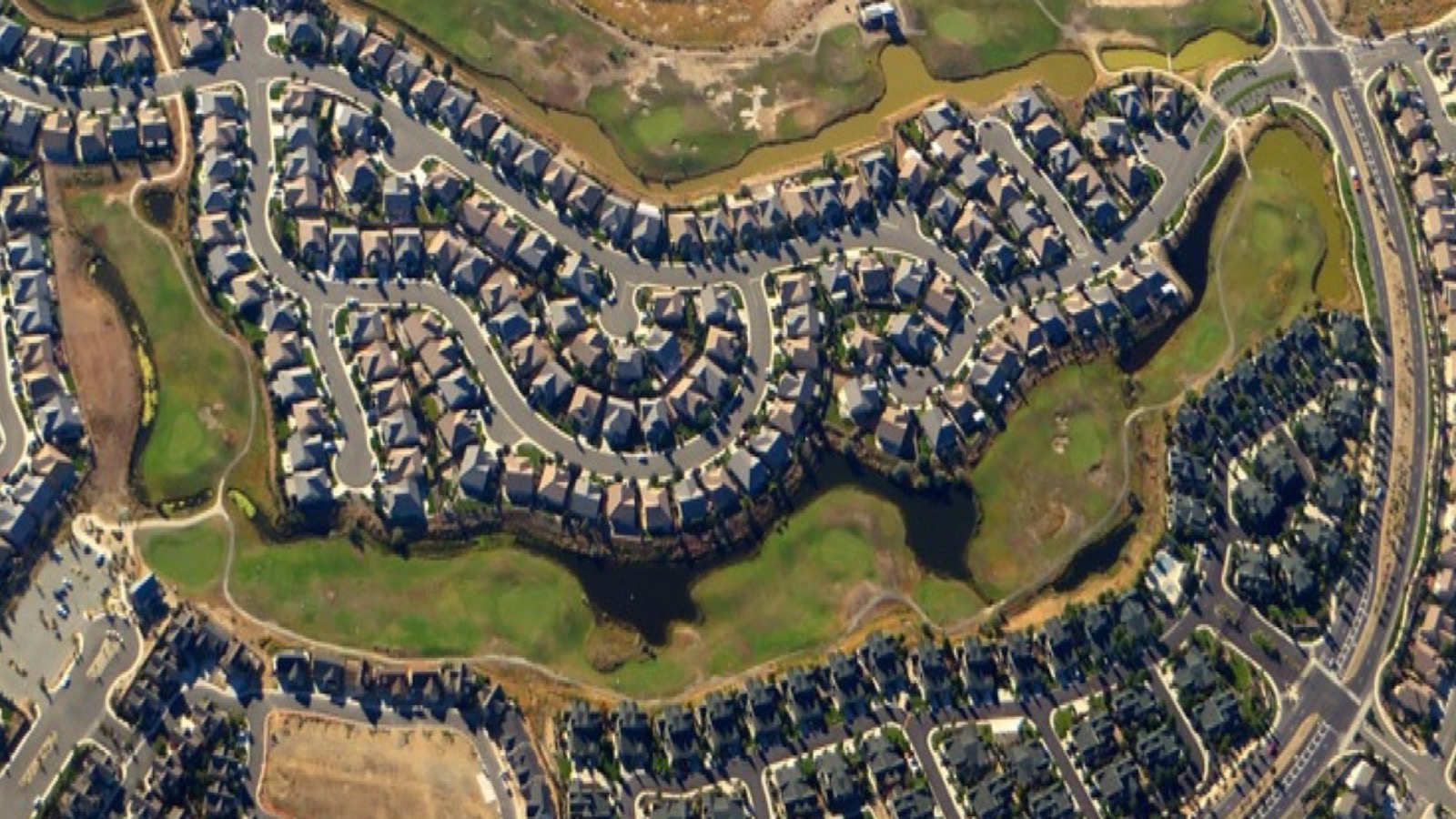
Housing is the dominant cost in any budget, and Sparks's is the most affordable of the core Reno-Sparks metro. The median home runs about $440,000, with entry-level homes in established neighborhoods from the $370,000s and newer or upscale properties in Spanish Springs, Wingfield Springs, and D'Andrea climbing into the $600,000s and beyond. That median sits roughly $120,000 below Reno's, which is the single biggest reason value-focused buyers choose Sparks.
| Home type | Approx. price range | Monthly payment (PITI) |
|---|---|---|
| Condo / townhome | $300,000–$400,000 | $1,900–$2,600 |
| Entry single-family | $370,000–$460,000 | $2,300–$3,000 |
| Median single-family | $440,000 | $2,700–$3,200 |
| Move-up / newer | $500,000–$700,000 | $3,200–$4,500 |
| Upscale (Wingfield, D'Andrea) | $650,000–$1,000,000+ | $4,200–$6,500 |
According to Northern Nevada market data, Sparks's prices have appreciated alongside Reno's but remain a clear value, which is why so many families and first-time buyers start here. For a buyer financing the median home with a typical down payment, the monthly payment — principal, interest, taxes, and insurance — lands around $2,700 to $3,200 in 2026, before any HOA. According to Freddie Mac, mortgage rates remain the biggest swing factor in that payment. Buyers wanting newer construction will find active building in Spanish Springs and the city's growing eastern edge, which our new-construction hub covers.
How much is rent in Sparks?
Renting in Sparks is more affordable than Reno, reflecting the lower home prices. A one-bedroom apartment runs roughly $1,300 to $1,600 a month, a two-bedroom $1,500 to $2,000, and a single-family rental home $2,000 to $2,700 depending on size and area. These rents typically run $150 to $300 a month below comparable Reno rentals, a meaningful saving for renters not yet ready to buy.
According to U.S. Census Bureau data, Sparks's median gross rent runs below Reno's, consistent with its overall affordability. For singles, young professionals, families, and those testing the area before buying, renting in Sparks is genuinely attainable on a moderate salary. Many of my relocating clients rent for six to twelve months first to confirm a neighborhood and experience a Northern Nevada winter, then buy — a smart, low-risk approach I recommend rather than rushing. When you are ready to compare renting versus owning, our buyer resources lay out the math, and the live home search lets you scan inventory across Sparks and the wider metro.
What do utilities and essentials cost in Sparks?
Utilities in Sparks reflect the four-season high-desert climate: you pay to heat in winter and cool modestly in summer. A typical household spends roughly $250 to $450 a month on electricity, gas, water, and trash combined, peaking in the cold winter months. Summers are mild compared to Southern Nevada, so cooling costs stay low. Internet, phone, and streaming add the usual $150 to $250 a month, with solid options in the newer Spanish Springs and eastern neighborhoods.
Groceries and everyday essentials in Sparks run close to the national average — modestly higher than the cheapest U.S. metros but well below California. A household of four typically spends $900 to $1,400 a month on groceries and household goods, while dining out adds whatever your lifestyle supports. According to the Bureau of Labor Statistics, the Western region's spending patterns track national norms outside of housing, so Sparks's non-housing costs are unremarkable. The real savings versus Reno and California show up in housing and taxes, not the grocery bill — which is exactly what makes Sparks pencil out for value-focused households.
| Category | Estimated monthly cost | Notes |
|---|---|---|
| Housing (median home, PITI) | $2,700–$3,200 | Lower if paid off or renting |
| Utilities (heat + cool) | $250–$450 | Peaks in winter |
| Groceries + dining | $1,000–$1,400 | Near national average |
| Transportation | $550–$950 | Car-dependent |
| Healthcare | $500–$900 | Premiums + out-of-pocket |
| Recreation + savings | $600–$1,100 | Tahoe, Marina, travel |
How do taxes affect the cost of living in Sparks?
Taxes are where Sparks — like all of Nevada — delivers a major, recurring advantage. Nevada has no state income tax at all: no tax on wages, no tax on Social Security or pension income, and no tax on retirement-account withdrawals or investment income at the state level. For anyone relocating from California, that alone can mean thousands of dollars a year staying in your pocket, and it is especially valuable for the working families and remote workers who choose Sparks.
Property taxes are also low. Sparks sits in Washoe County and follows Nevada's system — taxing only 35% of a home's taxable value at a combined rate that produces an effective rate around 0.6% to 0.7% of market value, with a 3% annual cap on owner-occupied homes that protects against bill spikes. On a $440,000 home, that is roughly $2,400 to $3,100 a year. According to the Tax Foundation, Nevada's overall tax burden ranks among the lowest in the country, and the Washoe County Assessor administers the property-tax system. Sales tax in Washoe County (around 8.265%) is the one area Nevada is not the cheapest, but it is a rounding error against the income- and property-tax savings. Our Sparks property taxes guide covers that side in detail.

What salary do you need to live in Sparks?
Given the moderate cost of living, the salary needed for Sparks is lower than Reno. A single adult is comfortable on roughly $56,000 to $74,000 a year, while a family of four needs about $100,000 to $150,000, depending on whether you rent or own and your childcare situation. To buy the median $440,000 home, most buyers need a household income around $112,000 to $132,000, assuming a typical down payment and 2026 mortgage rates.
Because Nevada has no state income tax, these salaries stretch further here than the same numbers would in California — your take-home is higher, so a given budget covers more. According to the MIT Living Wage Calculator, the bare-survival cost for households in the Reno-Sparks area is well below these comfort figures, leaving real breathing room. For families especially, Sparks's lower home prices mean the income needed to own is meaningfully below Reno's, which is why so many young families and first-time buyers choose Sparks, as our salary needed to live in Reno guide shows by comparison.
How does Sparks's cost of living compare to Reno?
Within the Reno-Sparks metro, Sparks is the value play — generally cheaper than Reno on housing, which drives the overall difference. Sparks's median home runs about $440,000 versus Reno's $560,000, a roughly $120,000 gap on comparable homes. Non-housing costs are nearly identical since the two cities share a border, utilities, and a regional economy, so housing is the whole story.
| Factor | Sparks | Reno | Carson City |
|---|---|---|---|
| Median home price | $440,000 | $560,000 | $450,000 |
| Single adult income | $56,000–$74,000 | $62,000–$82,000 | $55,000–$72,000 |
| Family of four income | $100,000–$150,000 | $115,000–$170,000 | $98,000–$145,000 |
| State income tax | None | None | None |
| Vibe | Family + value | Jobs + amenities | Quiet capital city |
According to Northern Nevada market data, Sparks and Carson City trade the value title depending on the specific home, while Reno commands the regional premium for its jobs and amenities. The practical takeaway: if your priority is the lowest cost while staying right in the heart of the metro — closest to the Tahoe-Reno Industrial Center jobs and sharing Reno's schools and amenities — Sparks is the standout. Many of my clients shop both Reno and Sparks before deciding, and value-focused families consistently land in Sparks. Browse the region via Sparks homes for sale and the Reno hub.
How does Sparks compare to California for affordability?
Against California, Sparks is dramatically more affordable, which is a primary reason so many residents relocate from over the Sierra. The median Sparks home near $440,000 is a fraction of what comparable homes cost in coastal and Bay Area California, where medians routinely run $800,000 to well over $1,200,000. Layer on Nevada's zero state income tax versus California's marginal rates up to 13.3%, and a household relocating from California typically sees both a much lower mortgage and a bigger paycheck.
According to the U.S. Census Bureau, California consistently leads net in-migration to Northern Nevada, and Sparks — with its value pricing, family neighborhoods, and proximity to the Tahoe-Reno Industrial Center jobs — captures a meaningful share. The honest caveat is that California salaries are often higher, so the move can mean a pay adjustment; but in my experience the lower cost of living and tax savings more than offset it for most households. For working families especially, Sparks is often the most attainable entry point into Northern Nevada homeownership. Our Reno relocation guide covers the logistics that apply to Sparks too.
What are the hidden costs of living in Sparks?
Beyond the obvious housing and utilities, a few Sparks-specific costs are worth budgeting. Like Reno, Sparks has real winters, so heating costs and the occasional need for winter tires or AWD (for Tahoe trips and snowy days) are real considerations that Southern Nevada and California coastal transplants often overlook. The city is car-dependent, though it shares Reno's freeway network, so commutes are manageable. Water in a high-desert climate and the cost of establishing Nevada residency if relocating round out the list.
Other items to budget include HOA dues in the newer Spanish Springs, Wingfield Springs, and D'Andrea communities (typically $40 to $200 a month), and the one-time move-in cash for a purchase. On the other side of the ledger, property taxes are low with the 3% cap, and there is no income tax — the savings that make Sparks pencil out. According to the City of Sparks and Washoe County, public services are well-supported by the regional tax base. None of these are deal-breakers, but factoring them in upfront keeps your budget honest. When you are ready to map your full Sparks budget, call (775) 277-2120 or start with our seller resources if you have a current home to sell first.
Is Sparks a good value for families and first-time buyers?
Sparks is arguably the best value in the Reno-Sparks metro for families and first-time buyers, and the numbers explain why. The lower median home price means the income needed to buy is meaningfully below Reno's, putting homeownership within reach of more households. Spanish Springs and the eastern neighborhoods offer newer family homes, good schools shared with the Washoe County system, and proximity to the Sparks Marina, parks, and the Tahoe-Reno Industrial Center jobs — all at a price point Reno cannot match.
According to Northern Nevada market data, Sparks has long been the entry point for families building equity before potentially moving up, and its appreciation has tracked the broader metro. For first-time buyers, the combination of lower prices, Nevada's no income tax, and access to the region's growing job base makes Sparks a sound place to start. In my experience, value-focused families who shop both cities consistently find that Sparks lets them buy more home for the money while keeping everything that makes Northern Nevada appealing.
The proximity to the Tahoe-Reno Industrial Center deserves special mention for working families. Sparks sits closest to TRIC of any city in the metro, so families with a breadwinner working at Tesla, Panasonic, Switch, or one of the distribution centers can dramatically cut commute time by living in Sparks — saving both money and hours each week. That combination of lower home prices and shorter commutes to the region's biggest job hub is a genuine, quantifiable advantage that pure price comparisons miss. Our Sparks neighborhoods guide maps where families land, and you can browse current options via Sparks homes for sale.

Frequently Asked Questions
What is the cost of living in Sparks, NV in 2026?
Sparks's cost of living runs about 15% above the national average, driven by housing, with the median home near $440,000 — below Reno's $560,000. A single adult is comfortable on roughly $56,000–$74,000 a year and a family of four on about $100,000–$150,000. Nevada's zero state income tax and low property taxes stretch every dollar, making Sparks the value play of the Reno-Sparks metro.
Is Sparks cheaper than Reno?
Yes. Sparks's median home runs about $440,000 versus Reno's $560,000 — roughly $120,000 less — and rents run $150 to $300 a month lower. Non-housing costs are nearly identical since the two cities share a border, utilities, and a regional economy. Sparks offers the same Sierra access, schools, and Tahoe-Reno Industrial Center job access as Reno at a lower price, which is why value-focused families choose it.
What salary do you need to live in Sparks?
A single adult is comfortable on roughly $56,000 to $74,000 a year in Sparks, and a family of four needs about $100,000 to $150,000, depending on housing and childcare. To buy the median $440,000 home, plan on a household income around $112,000 to $132,000. Because Nevada has no state income tax, these salaries stretch further here than the same income would in California.
How much does a house cost in Sparks?
The median Sparks home runs about $440,000 in 2026, with entry-level single-family homes from the $370,000s, move-up homes $500,000 to $700,000, and upscale Spanish Springs, Wingfield Springs, and D'Andrea properties from $650,000 into seven figures. Condos and townhomes start around $300,000. That median sits roughly $120,000 below Reno's, the biggest driver of Sparks's affordability advantage.
Does Sparks have low taxes?
Yes — very. Nevada has no state income tax, so Sparks residents pay no tax on wages, Social Security, pensions, or retirement-account withdrawals at the state level. Property taxes are low too: an effective rate around 0.6% to 0.7% of market value with a 3% annual cap on owner-occupied homes. Sales tax (around 8.265% in Washoe County) is the one slightly-higher area, but the income- and property-tax savings far outweigh it.
Is Sparks a good place for first-time buyers?
Yes — Sparks is arguably the best value in the Reno-Sparks metro for first-time buyers. Its lower median home price ($440,000) means the income needed to buy is below Reno's, putting homeownership within reach of more households, while still offering good schools, newer family neighborhoods, and access to the region's growing job base. Combined with Nevada's no income tax, it is a sound place to start building equity.
Is Sparks a good value compared to California?
Dramatically. The median Sparks home near $440,000 is a fraction of comparable California prices ($800,000 to $1,200,000-plus in coastal areas), and Nevada's zero state income tax versus California's rates up to 13.3% means a bigger paycheck too. California salaries are often higher, but for most households — especially working families and remote workers — the lower cost of living and tax savings more than offset any pay adjustment.
Which Sources Inform This Sparks Cost-of-Living Guide?
This guide draws on Nevada Real Estate Group's direct transaction experience plus public data from government and industry authorities. Costs, rates, and tax rules change — confirm current specifics with the relevant authority or a qualified financial or tax professional before acting. This is general educational information, not legal, financial, or tax advice, and all services are offered in compliance with the Fair Housing Act.
- U.S. Census Bureau — Sparks QuickFacts
- MIT Living Wage Calculator — Reno-Sparks area
- Bureau of Labor Statistics — consumer expenditures
- Tax Foundation — state tax burden rankings
- Nevada Department of Taxation — property and sales tax
- Washoe County Assessor — property records
- Freddie Mac — Primary Mortgage Market Survey
- City of Sparks — services
- Nevada Revised Statutes — residency and taxation
- Economic Development Authority of Western Nevada (EDAWN)
- U.S. Department of Housing and Urban Development — Fair Housing Act