
When most people think of Las Vegas, they picture the neon lights of the Strip or the recent arrival of Super Bowls and Formula 1 races. It’s easy to view the city as a place without a past—a neon mirage that just appeared in the desert one day. But if you dig a little deeper, especially into the property records, you’ll find a fascinating story of boom-and-bust cycles that have defined the American West.
The real estate roots of this valley go back much further than the mega-resorts. For buyers and investors today, understanding this history isn't just trivia; it’s the key to understanding why our market behaves the way it does. We’ve gone from a dusty railroad auction in 1905 to a global metropolis of nearly 3 million people in 2026.
If you are thinking about living in Las Vegas or investing here, you have to look at how we got here to understand where we’re going.
1905–1930: Water, Rails, and the Birth of a City
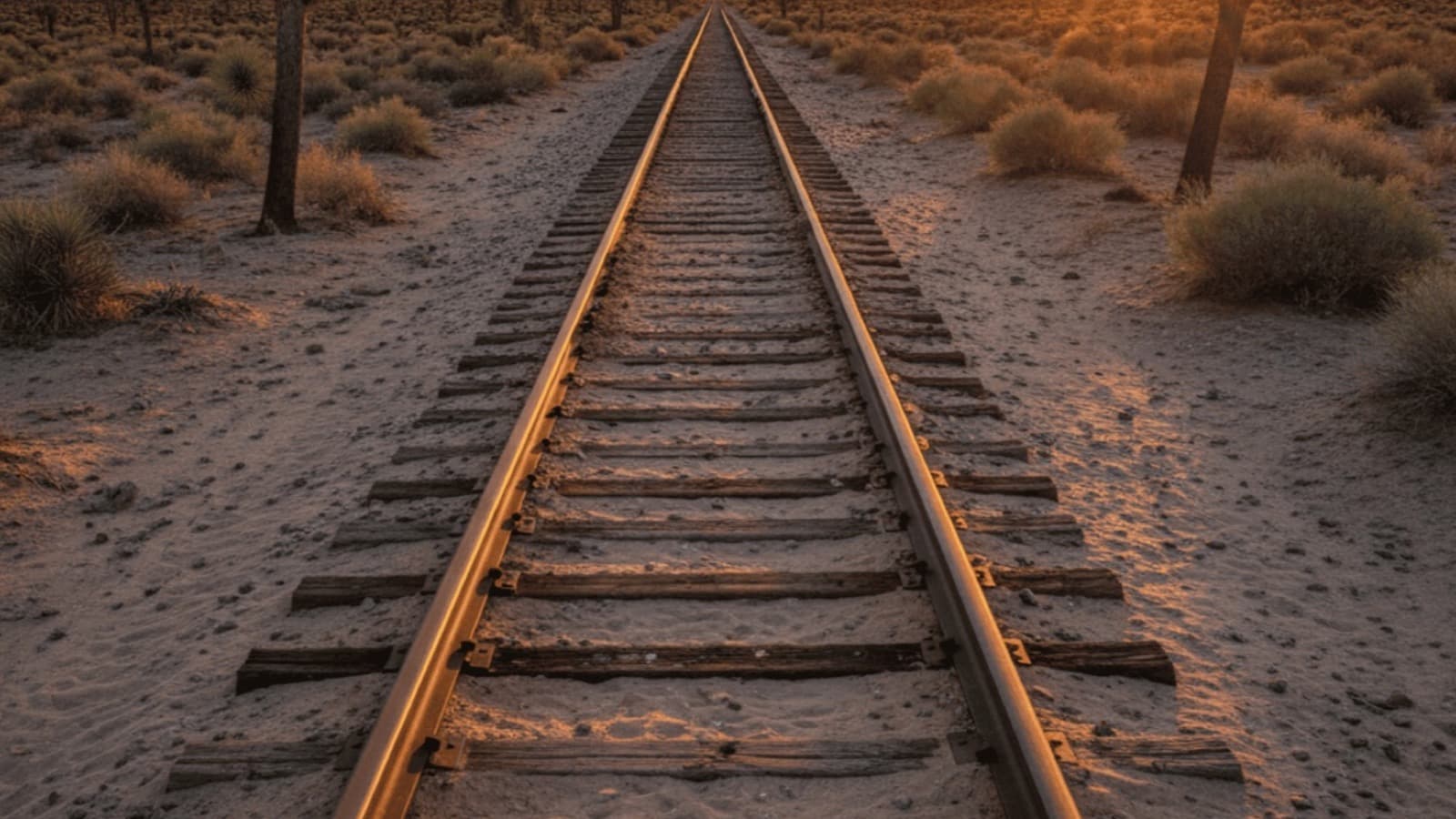
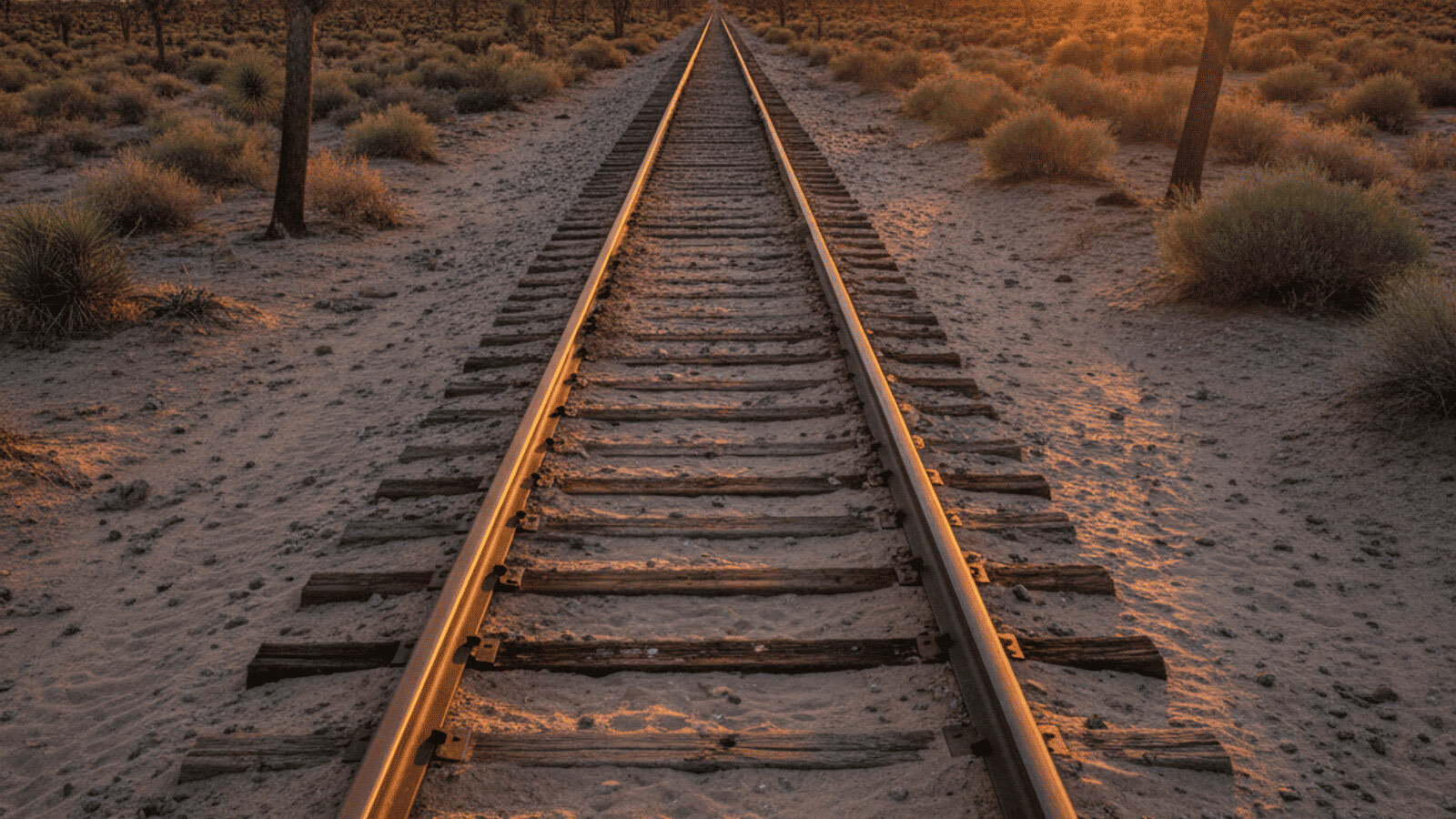
Before there were casinos, there was water. The name "Las Vegas" translates to "The Meadows," referring to the natural spring-fed oases that dotted the valley floor. It was this water that caught the eye of the Union Pacific Railroad, which needed a reliable stop between Salt Lake City and Los Angeles.
The city’s official real estate market was born on a single day: May 15, 1905. On that scorching afternoon, the railroad auctioned off 110 acres of land in what is now Downtown Las Vegas real estate. Speculators and pioneers bought lots under the shade of mesquite trees, establishing the grid that still exists today near Fremont Street.
For the next two decades, growth was slow and gritty. The town incorporated in 1911, but infrastructure was a constant struggle. During this time, we also saw the first major geographic split in the city: the original townsite (Downtown) and the McWilliams Townsite (the Westside). While the railroad owned the water rights to the main townsite, the Westside struggled for resources, creating a divide that influenced development patterns for decades.
1931–1960: The Dam, The War, and The First Housing Boom
If you track the population charts, the 1930s and 40s are where the line starts to point vertical. Two massive federal decisions in 1931 changed everything: the legalization of gambling in Nevada and the authorization of the Hoover Dam (then Boulder Dam).
Thousands of workers flooded the valley for jobs on the dam (1931–1936), and they all needed somewhere to sleep. This created the first true housing shortage and subsequent building boom. Once World War II hit, the establishment of the gunnery school (now Nellis Air Force Base) ensured that the economy wasn't just dependent on tourists. By the 1950s, the "Atomic" boom was in full swing, and the population was doubling rapidly.
This era also birthed the most famous real estate quirk in the valley: The Strip. To avoid the city’s taxes and strict regulations, hotel developers built their resorts just outside the city limits on Highway 91. This area is legally the township of Paradise, not the City of Las Vegas. To this day, when you look at luxury homes in Las Vegas near the Strip, you are often looking at county land, not city land.
Residential neighborhoods began to sprout up to support the service workers and soldiers. We saw the development of tracts like Huntridge, which offered modest, sturdy homes for war workers—homes that are now highly coveted by vintage enthusiasts.
1960–1989: Corporate Era and the Sprawl Begins
For a long time, Vegas was synonymous with Mob ownership, but that began to change in 1966 with the arrival of Howard Hughes. He began buying up hotels and vast tracts of land, shifting the city's image from a gangster's paradise to a corporate stronghold. This shift made the area safer for traditional financing and larger residential developments.
As the city gained legitimacy, the footprint began to sprawl. Residential zones pushed east toward Sunrise Mountain and west toward the Spring Mountains. We moved away from the custom builds of the mid-century to larger production housing tracts.
This era also introduced a concept that would define our modern market: the master-planned community. In the late 70s and early 80s, development began on Green Valley in Henderson. It was a revolutionary idea at the time—an integrated mix of homes, parks, schools, and retail all designed before a single shovel hit the dirt. The success of Henderson real estate during this period proved that families wanted structured, amenity-rich environments, setting the stage for the massive developments to come.
1990–2007: The Mega-Resort Era and Hyper-Growth
The opening of The Mirage in 1989 triggered a construction boom unlike anything the country had seen. The new "mega-resorts" required thousands of employees, and those employees needed homes. The 1990s and early 2000s were characterized by explosive, unbridled growth.
In 1990, the Howard Hughes Corporation began developing Summerlin on 22,500 acres along the western rim of the valley. It quickly became the blueprint for standard-setting suburban living. Even today, Summerlin homes for sale command a premium because of the infrastructure laid down during this decade.
As we rolled into the 2000s, easy credit and wild speculation poured fuel on the fire. Between 2000 and 2006, home prices skyrocketed, often appreciating 80% or more in short windows. The construction of the 215 Beltway opened up previously inaccessible desert, allowing developers to build as fast as they could pull permits. It felt like the party would never end.
2008–2012: The Great Recession and Market Reset
We have to be honest about the crash, because it fundamentally reshaped who owns Las Vegas real estate today. When the bubble burst, Las Vegas was arguably "Ground Zero" for the global foreclosure crisis.
Construction cranes froze on the Strip (leaving skeletons like the Echelon and Fontainebleau unfinished for years), and unemployment soared. Property values plummeted, with median home prices dropping roughly 50% to 60% from their peak, bottoming out around $120,000 in 2012.
However, this devastation created an opening. Institutional investors and hedge funds swept in, buying thousands of single-family homes for pennies on the dollar to turn them into rentals. It reset the market completely, clearing out the bad loans and setting a new baseline for recovery.
2013–Today: The "Sports City" Reinvention
The last decade has been about diversification and maturity. We aren't just a gambling town anymore; we are a sports and entertainment capital. The arrival of the Golden Knights and the relocation of the Raiders (about six years ago, in 2020) signaled to the world that Las Vegas was a permanent, serious city.
Since the pandemic, the biggest driver for our market has been the "California exodus." Buyers moving to Las Vegasfrom California for tax benefits and more affordable square footage have kept demand steady. We’ve also seen a boom in medical districts and tech hubs, providing jobs that aren't tied to the hospitality sector.
As of early 2026, the market has stabilized. We are focused heavily on sustainable growth, water conservation, and infill development. The days of endless sprawl are hitting the physical boundaries of federal land, making existing land more valuable.
Historic Neighborhoods You Can Buy In
If you love history and want a home with more character than the typical stucco box, there are several pockets of vintage Vegas that have held their value beautifully:
-
Scotch 80s: This was the Beverly Hills of Las Vegas in the 50s and 60s. You’ll find sprawling mid-century estates on large lots. It was the neighborhood of choice for wealthy casino owners and celebrities.
-
John S. Park: Located near Downtown, this area features revival-style homes from the 1930s and 40s. It has a very traditional, "Anytown USA" feel with tree-lined streets.
-
Huntridge: We mentioned this earlier as a WWII housing tract. Today, it’s a vibrant, eclectic community known for affordable vintage cottages and a strong artistic vibe.
-
Paradise Palms: If you love that Palm Springs mid-century modern look (Eichler style), this is the place. It was the first planned community in Clark County and backs up to the National Golf Course.
What History Tells Us About Las Vegas's Future
If you look back at the timeline, one thing is clear: Las Vegas reinvents itself every 20 to 30 years. We went from a railroad stop to a mob haven, to a family vacation spot, to a luxury playground, and now to a sports and tech hub.
For real estate, the future is likely about density. Because we are surrounded by federal land (BLM land) and mountains, we can't sprawl outward forever. Future growth will be vertical or involve redeveloping older areas. The market today is far less speculative than it was in 2006, supported by a much more diverse economy that doesn't rely solely on the slot machines spinning.
Frequently Asked Questions
When was Las Vegas founded?
Las Vegas was officially founded on May 15, 1905, when the Union Pacific Railroad auctioned off 110 acres of land in what is now downtown. The city was later incorporated in 1911.
Why did the Las Vegas housing market crash so hard in 2008?
Las Vegas was hit harder than most cities because the market was driven by extreme speculation and subprime lending, with investors buying multiple homes they couldn't afford. When the economy turned, the reliance on construction and tourism jobs caused a domino effect of foreclosures.
What is the oldest neighborhood in Las Vegas?
The oldest residential areas are found near Downtown Las Vegas. Neighborhoods like the Las Vegas High School Historic District and parts of the Westside contain some of the earliest surviving homes from the 1920s and 30s.
How has the population of Las Vegas changed over time?
The growth has been exponential. The population was under 5,000 in 1930, hit roughly 250,000 by 1970, and surged past 2 million in the metro area by 2015. As of 2026, the metro area is home to approximately 3 million residents.
Who owns most of the land in Las Vegas?
While private owners hold the developed land in the valley, the vast majority of the land surrounding the city is owned by the federal government, specifically the Bureau of Land Management (BLM). This creates a "boundary" that limits how far the city can expand outward.