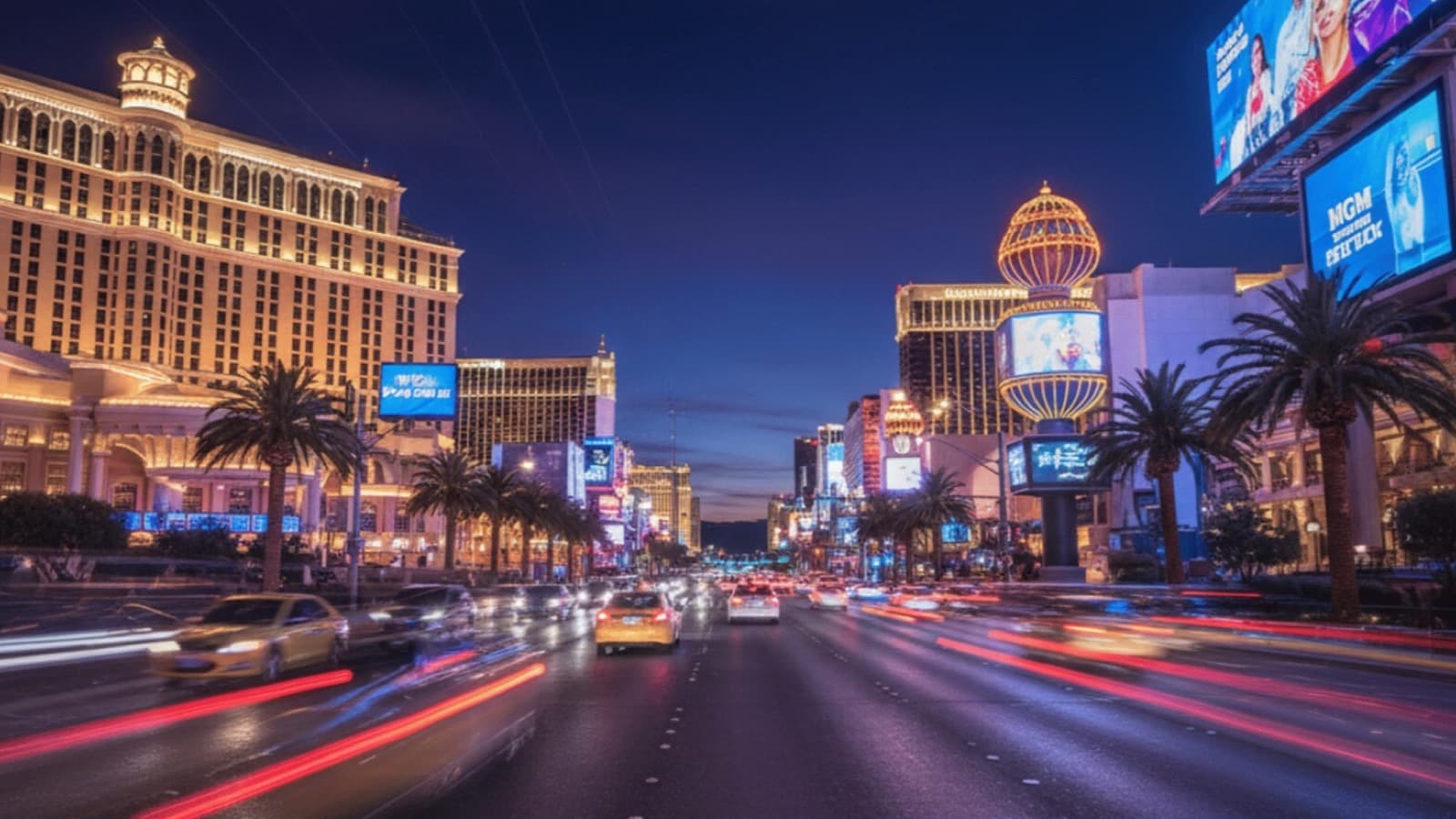

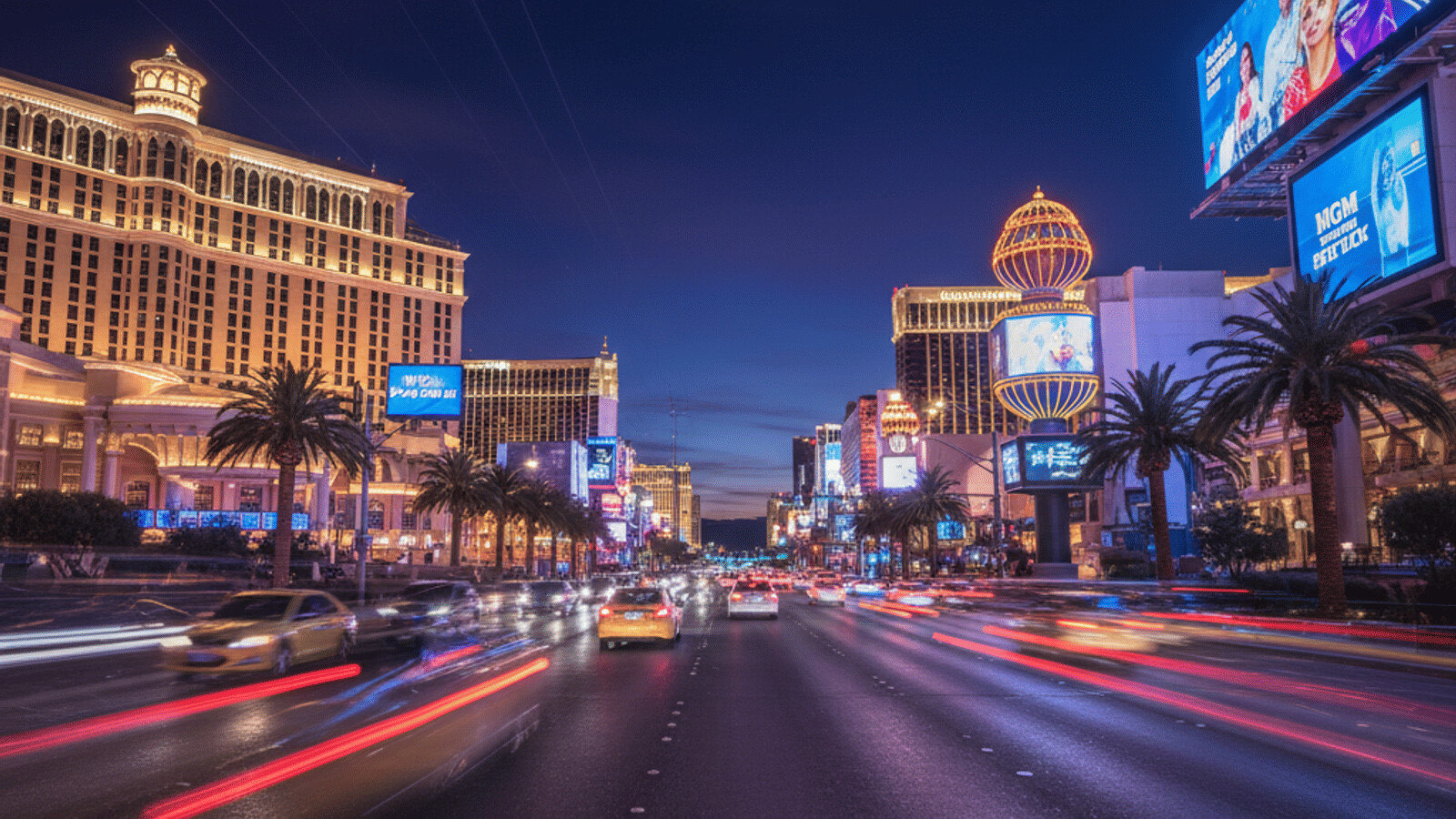
Welcome to Las Vegas. If you’re thinking about living in Las Vegas or just here to scout neighborhoods, the first thing you need to know is that this city’s scale is incredibly deceptive. We locals call it the "Strip Mirage." You stand at the Bellagio and look down the street at the MGM Grand, thinking it’s a quick five-minute hop. In reality, that’s a mile-long trek through crowds, over skybridges, and likely in baking heat.
Getting around here requires a bit of strategy, especially right now in 2026. The city is evolving fast. We have massive construction projects changing traffic patterns—like the transition of the Mirage into the Hard Rock—and new high-tech transit options coming online. Whether you are looking at Las Vegas neighborhoods for a permanent move or just visiting for a convention, having a solid transportation plan will save you time, money, and a lot of blisters.
Rideshare vs. Taxis: The Price Battle
For years, everyone assumed Uber and Lyft were the automatic winners for getting around. But if you are landing at Harry Reid International, that math has changed. In 2026, traditional taxis have a secret weapon called "Zone Pricing."
To stop drivers from "long-hauling" tourists (taking a longer route to run up the meter), the Taxi Authority instituted flat rates from the airport to the Strip. This means you know exactly what you are paying before you get in the car. Meanwhile, rideshare apps are still subject to surge pricing. I’ve seen Uber rates double during a big convention or a Knights game, while the taxi line keeps moving at a fixed price.
Here is how the flat rates generally break down from the airport:
-
Zone 1 (Sunset to Tropicana): Around $21 - $25.
-
Zone 2 (Tropicana to Flamingo): Around $25 - $29.
-
Zone 3 (Flamingo to Strat): Around $29 - $35.
Pro tip: If you are in town during a massive event like SEMA or CES, skip the rideshare app waiting game. Head to the taxi stand. It might look long, but it moves fast, and that flat rate is a financial lifesaver.
Public Transit: The Deuce and RTC Buses
If you want to save your budget for dinner or a show, the public bus system is surprisingly robust on the main corridor. The Regional Transportation Commission (RTC) runs a double-decker bus known as "The Deuce." It operates 24/7 and stops at virtually every major resort on the Strip and heads all the way up to Fremont Street.
A quick note for those who haven’t visited in a few years: The "SDX" (Strip & Downtown Express) is gone. It was discontinued a while back, so don't look for it on the maps. The Deuce handles that workload now.
If you are looking at Downtown Las Vegas real estate or staying near Fremont, you should know about the CX (Centennial Express). It’s a bit of a local secret. It runs from the airport to Downtown and the Strip but uses the highway for most of the trip, bypassing the bumper-to-bumper traffic on Las Vegas Boulevard. It’s fast, cheap, and efficient.
-
2-Hour Pass: approximately $6
-
24-Hour Pass: approximately $8
-
3-Day Pass: approximately $20
Download the rideRTC app to buy passes on your phone. It’s cheaper and easier than fumbling for exact change or buying paper tickets on board.
The Las Vegas Monorail & Free Trams
Rail travel in Vegas is a mix of paid public transit and free casino-owned trams. The main system is the Las Vegas Monorail, which runs along the east side of the Strip (behind MGM Grand, Paris, Harrah’s, etc.) all the way to the Sahara.
The Monorail is fantastic if you are attending a convention at the Las Vegas Convention Center, as it drops you right at the door. However, since it sits on the east side, it can be a bit of a hike if you are trying to get to a property on the west side, like Caesars Palace or the Bellagio.
On the west side of the Strip, several casinos operate their own smaller, free trams to help you hop between properties:
-
Mandalay Bay - Luxor - Excalibur: Connects the south end resorts.
-
Park MGM - Aria - Bellagio (Aria Express): A quick way to bypass the CityCenter traffic.
-
Treasure Island - Mirage: Note that with the Mirage transitioning into the Hard Rock in 2026, this tram service is likely intermittent or closed due to heavy construction.
Budget-wise, a single ride on the Monorail is about $6, but a 24-hour pass runs around $15. It runs late—until midnight on Mondays and up to 2:00 or 3:00 AM on weekends.
The Vegas Loop: The Boring Company Tunnels
This is the newest player in town. The Vegas Loop, built by The Boring Company, is a system of underground tunnels where you catch a ride in a Tesla. As of 2026, the network has expanded significantly.
It used to just circle the Convention Center, but now it connects major spots like Resorts World, The Westgate, Encore, and the new Fontainebleau. It’s a point-to-point service, meaning there are no stops in between—you just go straight to your destination.
The highly anticipated airport connector is currently operating a "hybrid" service. You can take a tunnel part of the way, but there may still be some surface driving involved until the full tunnel connector is finalized later this year.
Pricing is very reasonable, often sitting between $2 and $5 for rides within the resort corridor. A drop-off at the airport from a spot like Resorts World usually costs around $12, which is highly competitive.
Driving & Parking on the Strip
If you are visiting to look at Las Vegas luxury homes or explore the suburbs, you probably have a rental car. But be warned: keeping a car on the Strip is expensive.
Gone are the days when every casino offered free parking. Today, major operators like MGM, Caesars, Wynn, and The Venetian all charge daily fees. You can expect to pay anywhere from $18 to $25 per day for self-parking, and valet rates have skyrocketed to $35 - $50 a day. There are a few holdouts that still offer free parking—mostly Treasure Island, Circus Circus, Sahara, and the Fashion Show Mall—but they are the exception, not the rule.
If you are driving, do yourself a favor and avoid Las Vegas Boulevard during peak hours. Locals use the "back roads" that run parallel to the Strip.
-
West Side: Use Frank Sinatra Drive.
-
East Side: Use Koval Lane.
These roads let you slip into the back entrances of the casinos without getting stuck in the tourist gridlock.
Getting Around Downtown & Fremont Street
Downtown Las Vegas (DTLV) has a totally different vibe from the Strip. It’s more walkable, and the Fremont Street Experience itself is a pedestrian mall closed to cars.
For getting around the broader area—like the arts district Las Vegas—look for the Downtown Loop. This is a free shuttle bus that connects all the major downtown cultural hubs, including the Arts District, Pawn Plaza, and the Bonneville Transit Center.
Parking downtown is a mix. Most hotels will validate parking for guests, but if you are just driving in for dinner, expect to pay for street meters or garage access.
Airport Transfers: Harry Reid (LAS) to the City
When you’re ready to leave the airport, you have a few distinct choices depending on your patience and budget.
For the best balance of speed and cost, I recommend the taxi. The flat rates make it predictable, and the line moves fast. If you are on a strict budget, the CX Bus from Terminal 1 or 3 is the absolute cheapest way to get to the Strip or Downtown.
For a luxury experience, you can arrange a limo or town car, but be sure to book in advance. My biggest piece of advice: Avoid renting a car just for a 3-day stay on the Strip. Between the rental cost and the daily parking fees at your hotel, you will spend far more than you would on taxis.
Accessibility and Safety Tips
Las Vegas is generally very accessible, but the environment can be harsh. The city relies heavily on skybridges to move pedestrians over the busy intersections. These are essential for safety, but they mean you walk a lot further than it looks on a map. Elevators are available at these bridges for strollers and wheelchairs, though they can sometimes be slow.
-
Heat Safety: In the summer, temps easily top 100°F. Do not underestimate this. Walking "just one casino over" can lead to heat exhaustion if you aren't hydrated.
-
Night Safety: Stick to the well-lit boulevards. The main Strip and Fremont Street are heavily patrolled and safe, but shortcuts behind casinos or through unlit industrial areas are not recommended.
-
ADA: The RTC buses and the Monorail are fully wheelchair accessible.
FAQs
Is there a free shuttle that runs along the Las Vegas Strip?
No, there is no single free shuttle that runs the entire length of the Strip. While there are small, free trams that connect specific neighboring casinos (like the Aria Express), you will need to pay for The Deuce bus or the Monorail to travel long distances.
Can you walk from the Airport to the Las Vegas Strip?
Practically speaking, no. While the airport looks close on a map, there are no safe pedestrian sidewalks connecting the terminals to the Strip, and you would be crossing major highways and runways. You need a vehicle to leave the airport safely.
Do Las Vegas hotels still offer free parking?
Most major resort casinos on the Strip now charge for parking. However, you can still find free parking at select properties like Treasure Island, Sahara, Circus Circus, and the Fashion Show Mall.
Is the Las Vegas Monorail worth it?
The Monorail is worth it if you are staying on the east side of the Strip (like at the MGM Grand or Harrah's) or attending a convention. If you are staying on the west side (like at Caesars Palace), the walk to the station might take longer than just catching a cab.
How do I get around Las Vegas without a car?
You can easily manage without a car by using a combination of the Deuce bus for the Strip, the Monorail for convention center access, and Uber or taxis for airport transfers. The resort corridor is designed for tourism, so you rarely need a personal vehicle unless you are visiting off-Strip suburbs.