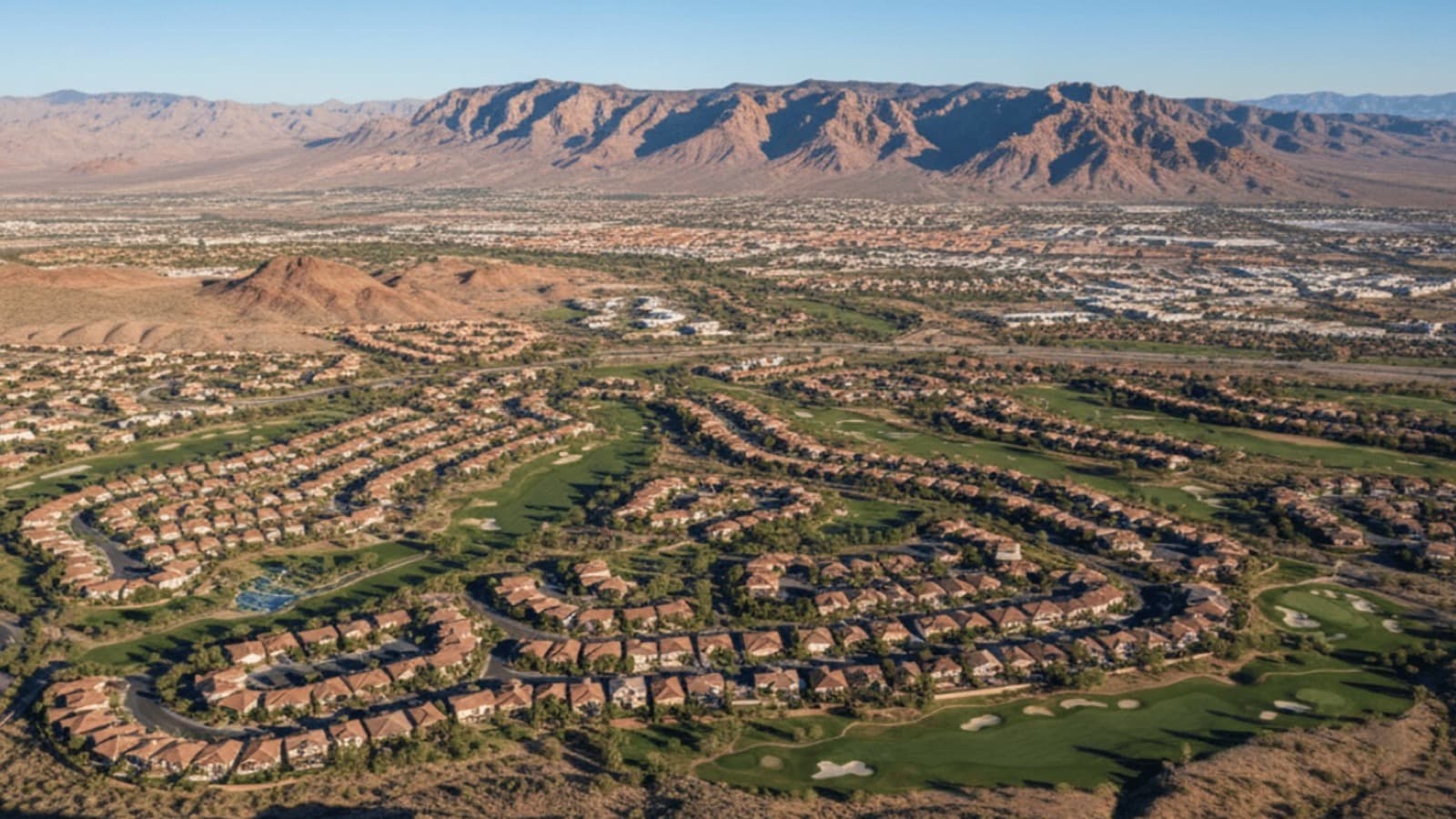

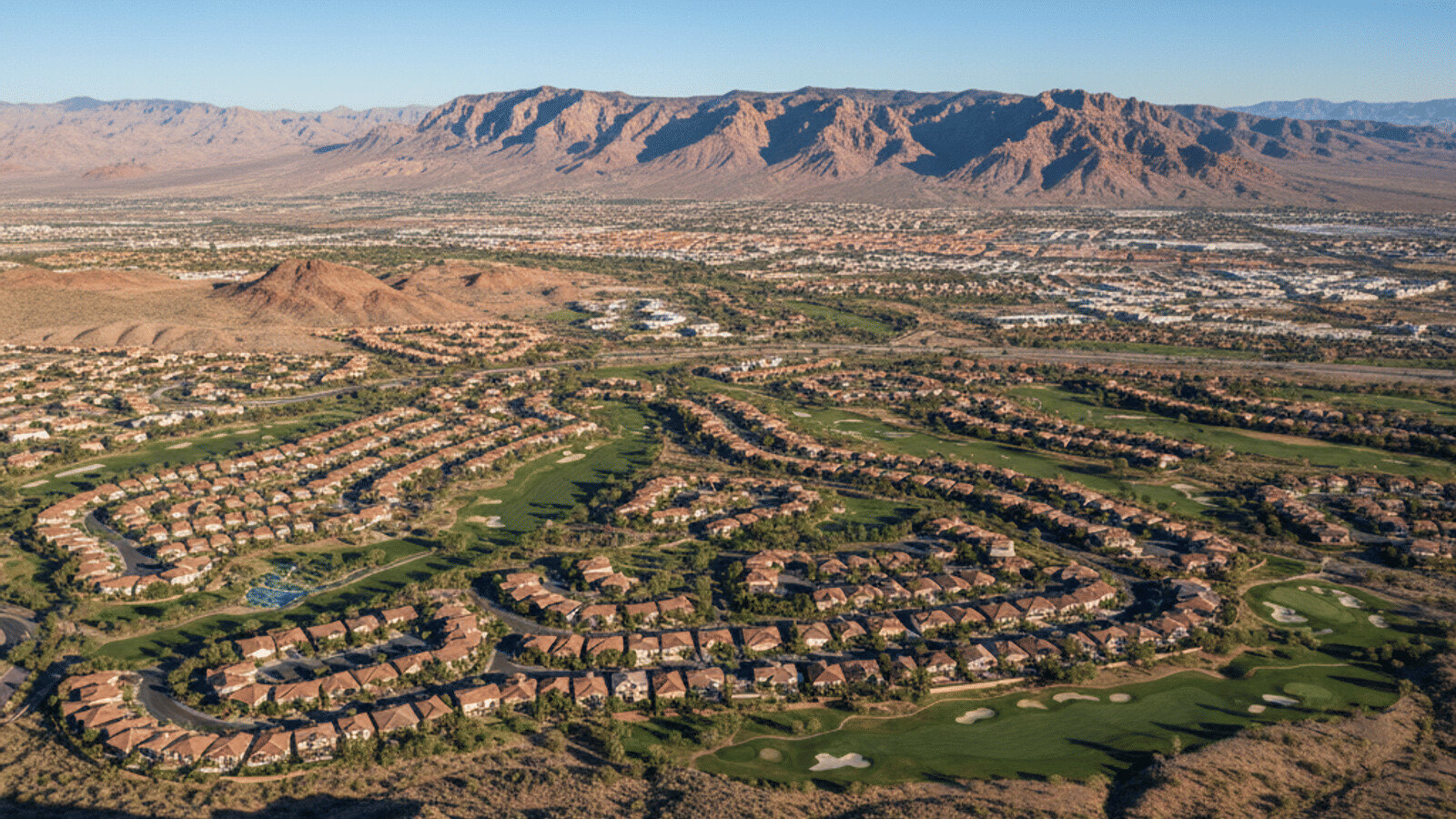
If you stand on a high ridge in The Paseos or The Ridges today, looking out over the 22,500 acres of parks, golf courses, and meticulously designed villages, it is hard to imagine that this was once just barren desert on the edge of town. As a local agent, I often tell clients that Summerlin wasn't just built; it was curated. This isn’t a sprawling accident of construction—it’s the result of nearly seven decades of vision, planning, and patience.
Entering its 36th year of development in 2026, Summerlin has evolved into something far more complex than just a zip code. It is now home to over 120,000 residents and operates almost like a self-sufficient city within the Las Vegas Valley. But to really understand the value of living in Summerlin—and why homes here command the prices they do—you have to look back at the fascinating history of how it all started.
The story begins long before the first model home opened. It starts with an eccentric billionaire, a massive chunk of desert, and a plan that changed the map of Southern Nevada forever.
The Howard Hughes Connection (1950s–1980s)
Most people know the name Howard Hughes, but fewer realize just how instrumental he was in shaping the western rim of Las Vegas. In 1952, Hughes purchased a massive parcel of land—roughly 25,000 acres—along the valley's western edge. At the time, locals thought it was practically in the middle of nowhere.
He bought the land for a price that makes modern investors weep: roughly $3 per acre. Originally, Hughes dubbed the property "Husite" and intended to use it as a relocation site for the Hughes Aircraft Company. He wanted a secure, isolated location for his aviation and defense empire. However, those plans never materialized, and for decades, the land sat dormant, serving as little more than a buffer between the city lights and the Red Rock mountains.
It wasn't until the late 1980s, long after Hughes passed away in 1976, that his heirs and the Summa Corporation (later The Howard Hughes Corporation) began to look at the land differently. They realized the potential for a master-planned community that could redefine desert living. In 1988, they made a pivotal branding decision. They dropped the industrial-sounding name "Husite" and rechristened the land "Summerlin," in honor of Howard Hughes’ paternal grandmother, Jean Amelia Summerlin. It was a name that sounded established, elegant, and ready for a new chapter.
Breaking Ground: The 1990s
The transition from raw desert to a livable community required one of the most significant land deals in Nevada history. In 1988, Summa Corporation initiated a massive land exchange with the Bureau of Land Management. They traded 5,000 acres of environmentally sensitive land for development-ready parcels. This deal was crucial because it established the permanent conservation boundary for the Red Rock Canyon National Conservation Area. If you enjoy those unobstructed mountain views and the easy access to hiking trails today, you have this 1988 agreement to thank.
Construction officially began in 1990 with the first village, The Hills. At the time, the developers built Summerlin Parkway to connect the new community to downtown Las Vegas. Locals skeptically called it the "Road to Nowhere" because it stretched miles through empty desert before reaching the construction site. It was a gamble, but the developers knew that if they built the infrastructure, the people would follow.
The gamble paid off. The first residents moved in during March of 1991. Unlike other developments that promised amenities "coming soon," Summerlin delivered early. The Hills Park opened in 1990, and the Library and Performing Arts Center followed in 1993. This early commitment to infrastructure set the tone for everything that followed. Early buyers weren't just purchasing The Hills Summerlin real estate; they were buying into a promise of a complete lifestyle that was rapidly taking shape.
Rapid Growth and The Beltway (2000–2010)
As we rolled into the new millennium, the pace of development shifted from steady to explosive. The single biggest catalyst for this era was the arrival of the CC-215 Beltway. Before the Beltway, living in Summerlin meant a significant commute on surface streets. Once the loop began connecting the western valley to the airport and Henderson, accessibility improved dramatically, and demand soared.
During this decade, the "village" concept really matured. We saw the opening of diverse neighborhoods like The Gardens, The Vistas, and The Willows. Each village brought its own personality, parks, and housing styles, offering everything from entry-level townhomes to larger single-family estates. This era proved that Summerlin could scale up without losing its manicured aesthetic.
This was also the decade where luxury truly took root. The opening of The Resort at Summerlin (now the JW Marriott) brought high-end hospitality to the neighborhood. Simultaneously, we saw the rise of Red Rock Country Club and the early phases of The Ridges. These developments introduced custom luxury homes that rivaled anything on the West Coast, attracting athletes, executives, and celebrities. Today, when you look at The Ridges luxury homes, you are looking at the legacy of this pivotal expansion era.
Creating a Core: 2010–2019
For its first twenty years, Summerlin was primarily a "bedroom community"—a beautiful place to sleep and play, but most residents still drove to the Strip or downtown Las Vegas for high-end dining, office work, or major entertainment. That changed in the 2010s with a deliberate push to create a true urban core.
The game-changer arrived in October 2014 with the opening of Downtown Summerlin (DTS). This wasn't just a strip mall; it was a 400-acre walkable city center featuring premium retail, Class-A office space, and a diverse dining scene. Suddenly, residents could work, shop, and dine at a world-class level without ever hitting the freeway. It transformed the psychology of living here—Summerlin became a self-contained ecosystem.
The community spirit solidified further with the arrival of major sports anchors. In 2017, the Vegas Golden Knights opened City National Arena as their practice facility, turning the area into a hockey hotbed. Two years later, in April 2019, the Las Vegas Ballpark opened right next door, becoming the home of the Aviators. These venues gave residents a place to gather and cheer, creating a "hometown" feel that is rare in master-planned communities. Now, owning Downtown Summerlin condos or homes near Las Vegas Ballpark means walking distance access to some of the best amenities in the state.
Summerlin West and the Future (2020s–Present)
As we look around in early 2026, the focus has shifted westward toward the mountains. The current era of development is defined by Summerlin West, an area that includes emerging districts like Kestrel, Kestrel Commons, and the luxury enclave of Ascension.
The biggest story right now is the "Grand Park" era. The development of Grand Park Village is central to the current master plan. The vision here creates a massive central park system that serves as the heart of the western villages, much like Central Park in New York but on a desert scale. If you are looking at new construction Summerlin 2026, you'll notice a distinct architectural shift. The designs have moved away from the Mediterranean stucco of the 90s toward "desert modern"—clean lines, indoor-outdoor living, and higher density options that appeal to modern buyers.
Even with this expansion, the commitment to conservation remains strict. The development boundaries near Red Rock are fixed, ensuring that the natural beauty that drew Howard Hughes here in the 1950s remains protected. As the community moves toward building out its remaining acreage, the blend of history and innovation continues to drive value for anyone relocating to Summerlin.
Frequently Asked Questions
Who is Summerlin named after?
The community is named after Jean Amelia Summerlin, the paternal grandmother of Howard Hughes. The name was chosen in 1988 by the Summa Corporation to give the project a sense of heritage and elegance, replacing the original industrial name, "Husite."
When was Summerlin founded?
While Howard Hughes purchased the land in 1952, the community wasn't officially "founded" in terms of development until much later. Construction began in 1990, and the first residents moved into The Hills village in March 1991.
Who owns and develops Summerlin?
Summerlin is developed by The Howard Hughes Corporation. This entity is the successor to Hughes' original Summa Corporation and continues to oversee the master plan, commercial development, and land sales to homebuilders today.