
If you are looking at homes in Southern Nevada, you have likely run into the ultimate local debate: Summerlin or the rest of Las Vegas?
To an outsider, this might seem confusing. After all, Summerlin is technically inside the Las Vegas Valley. You still have a Las Vegas mailing address, and you are only minutes away from the action. But ask any local, and they will tell you they feel like two completely different worlds.
Living in Summerlin means buying into a master-planned community (MPC). It’s a curated experience where everything from the color of your house to the tree density in the park is pre-planned. Living in the broader Las Vegas area offers a more traditional city experience—more diversity, more freedom, and usually, a much lower price tag.
The choice really comes down to what you value more: the manicured predictability of a master-plan, or the eclectic energy (and affordability) of a 24-hour city.
Lifestyle & Vibe: Manicured Order vs. Neon Energy
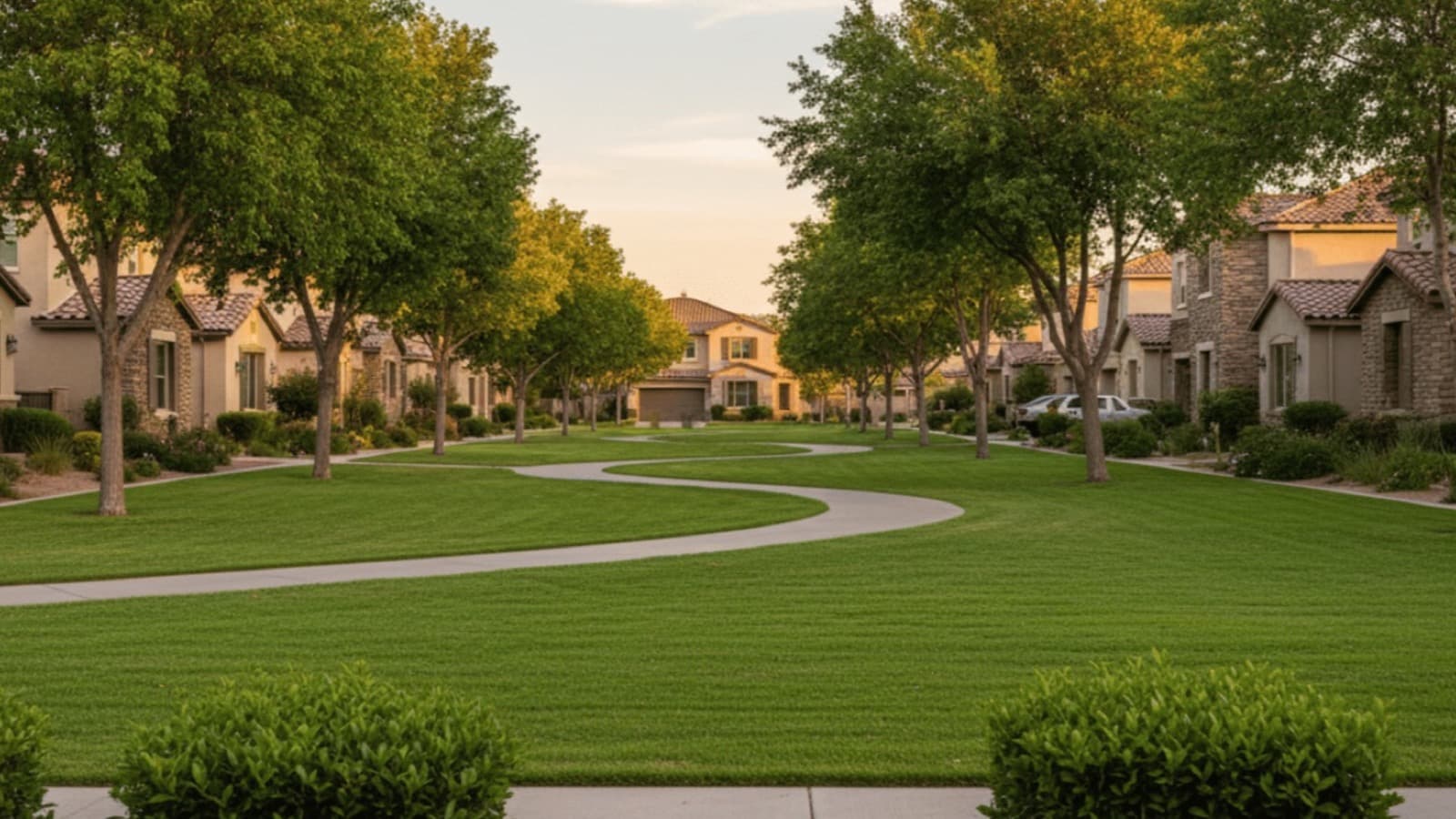
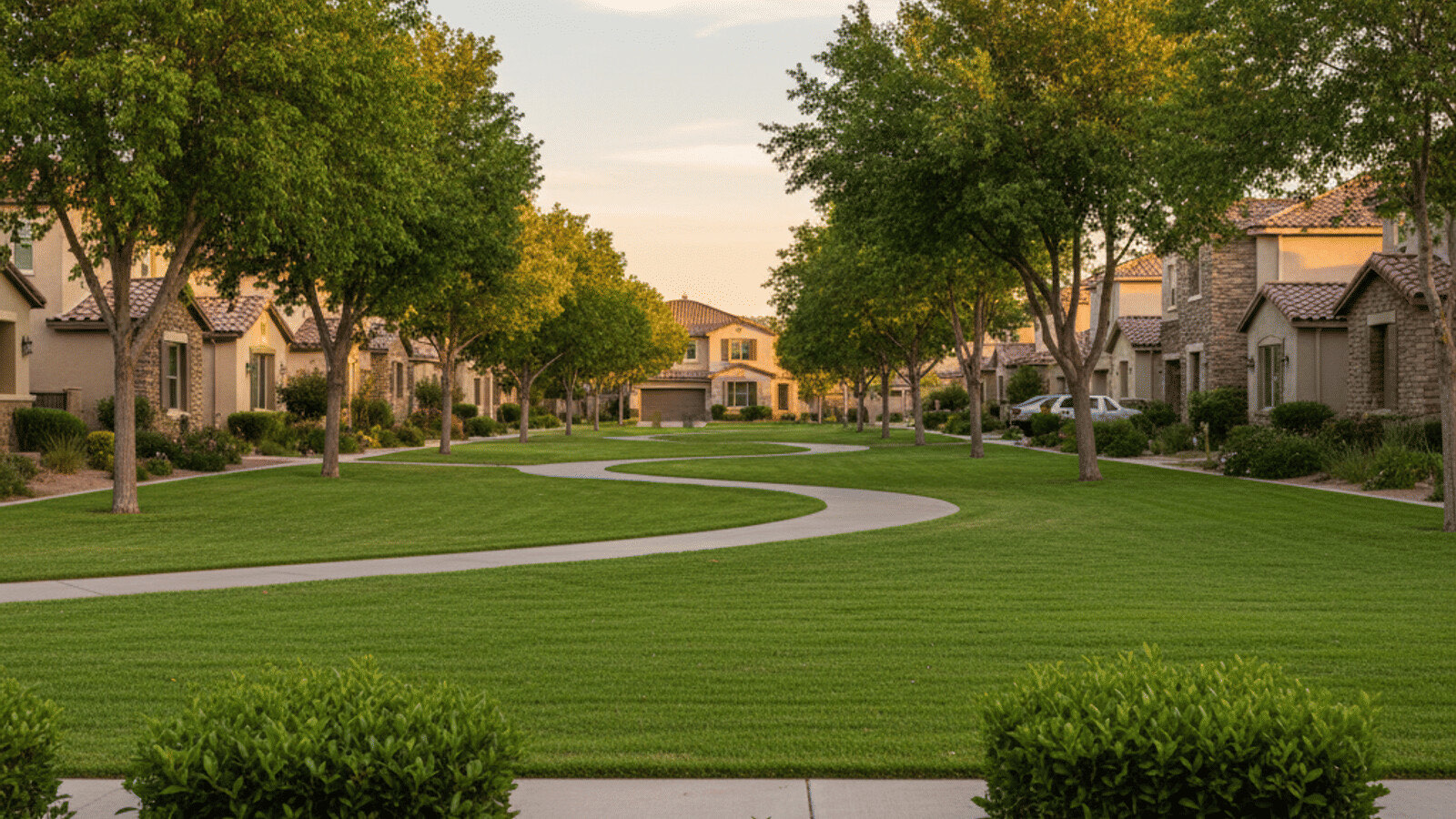
The biggest difference you will feel immediately is the atmosphere. Summerlin was designed to feel distinct from the neon lights of the corridor. It is quieter, darker at night, and significantly greener.
In Summerlin, there is a strong emphasis on an active, outdoor lifestyle. Because the community sits right at the base of Red Rock Canyon, you’ll see neighbors cycling, jogging on the 150+ miles of trails, or heading out for a hike on Saturday mornings. The vibe is structured. There are strict design standards here—everything is an earth tone, landscaping is heavily regulated, and you won't see a boat parked in someone's driveway. Residents often joke about the "Summerlin Bubble," admitting they rarely leave the community because everything they need is right there.
The broader Las Vegas area—including Central, East, and unincorporated parts of the valley—offers a more "real city" feel. It is eclectic. You might find a historic mid-century modern neighborhood like the Scotch 80s or Paradise Palms, sitting right next to a commercial district. There is a grit and authenticity to the city center that you don't get in the suburbs. It is closer to the 24/7 energy of the Arts District and the Strip, and the rules are generally looser. If you want a neighborhood with unique character rather than uniform aesthetics, the broader valley is where you’ll find it.
Real Estate & Housing Options: 2026 Market Comparison
When we look at the housing market in 2026, the inventory in these two areas looks very different.
Summerlin is dominated by newer construction. Most homes here were built between the 1990s and today. The aesthetic is uniform—stucco exteriors, tile roofs, and stone accents. As of early 2026, developers are aggressively expanding into new luxury villages like Grand Park and Ascension. However, because Summerlin is a master-planned community, density is higher. You often pay a premium for a lot that is smaller than what you would find in older parts of town.
In the general Las Vegas market, you have massive variety. You can find custom homes on half-acre lots, vintage 1960s ranch homes, or high-rise condos near the Strip. There are also plenty of older subdivisions without homeowners associations (HOAs), which is rare out west.
The Price Gap
The "Summerlin Premium" is real. As of early 2026, market data shows a significant gap:
-
Summerlin: Median home prices hover between $680,000 and $800,000, depending on the specific village.
-
Las Vegas: The median for the broader valley is significantly lower, typically sitting in the mid-$400,000s.
The market has stabilized compared to the pandemic boom. We are seeing homes sit on the market a bit longer—often 70+ days—which gives buyers slightly more leverage than they had a few years ago. However, the price floor in Summerlin remains high due to land costs and demand.
Cost of Living: The Price of the "Summerlin Premium"
While the sticker price of the home is higher in Summerlin, the monthly carrying costs are where the difference really hits your wallet. When calculating your budget, you have to account for what locals call the "Triple Fee."
Understanding the Fees
In many parts of Las Vegas, you might pay a low HOA fee or none at all. In Summerlin, you will almost always pay three distinct fees:
-
Master Association Fee: This covers the general upkeep of Summerlin’s parkways and trails. It generally runs between $55 and $75 per month.
-
Sub-HOA Fee: This is for your specific gated neighborhood or village. This can range from $50 to over $200 per month.
-
SIDs and LIDs: This is the one that catches out-of-state buyers off guard. SIDs (Special Improvement Districts) are assessment bonds used to pay for infrastructure like roads and sewers. In newer Summerlin villages, this can add $30 to $150 per month to your mortgage payment until the bond is paid off.
Older Las Vegas neighborhoods generally do not have SIDs/LIDs, and many have no HOA at all.
Taxes and Rents
Property tax rates are comparable across the county (roughly 0.6% to 1% of assessed value), but because Summerlin home values are higher, your absolute tax bill will be higher.
If you are renting, the spread is similar. Rents in Summerlin are typically 20% to 30% higher for comparable square footage than in the central or eastern parts of the valley. You are paying for the zip code and the amenities that come with it.
Amenities & Recreation: Parks, Pools, and The Strip
The amenity mix is arguably the biggest selling point for the master-planned lifestyle. Summerlin maintains over 250 parks and dozens of community centers that are exclusively for residents. If you want well-kept soccer fields, tennis courts, and swimming pools that are meticulously maintained, this is the place. You are also right next door to Red Rock Canyon, making it incredibly easy to go hiking or climbing after work.
Shopping is centered around Downtown Summerlin, an upscale outdoor mall with walkable dining and retail. It’s clean, convenient, and feels like a self-contained city center.
Las Vegas offers a different kind of recreation. You have immediate access to world-class dining and entertainment on the Strip and Fremont Street. For foodies, living centrally or near Spring Mountain Road puts you minutes away from the best Chinatown in the U.S., which offers a culinary diversity that the suburbs just can't match. Shopping options like the Fashion Show Mall or Town Square are larger and offer a wider range of stores than the local suburban centers.
Commuting & Location Accessibility
Commuting in Las Vegas is generally easier than in other major metros, but your location dictates your frustration level.
Summerlin is located on the far western edge of the valley. It has great access via the Summerlin Parkway and the I-215 beltway, which makes getting around the perimeter easy. However, if you work on the Strip, your commute is likely 20 to 30 minutes.
The biggest logistical drawback for Summerlin is the airport. Harry Reid International Airport is on the south end of the Strip. From Summerlin, that is a 25-minute drive without traffic, and significantly longer during rush hour.
Central Las Vegas and areas like Henderson are much closer to the airport (10–15 minutes). If you travel frequently for work, living centrally or in the southern part of the valley can save you hours of travel time every month.
Safety & Security Considerations
When discussing safety, it is important to look at data rather than hearsay. Summerlin consistently ranks as one of the areas with the lowest crime rates in the valley. The master-planned design, with its gated subdivisions and limited entry points, contributes to lower incident reports.
Summerlin also utilizes "The Summerlin Patrol." You will see these white vehicles with yellow flashing lights cruising the neighborhoods. They are not police, but they provide private security patrol for the residential and commercial areas, adding a layer of surveillance you don't get in standard neighborhoods.
Las Vegas is a major metropolitan area, so safety varies heavily block by block. Older central pockets tend to have higher incident rates than the suburban edges. However, there are plenty of quiet, established neighborhoods in the city proper. It requires a bit more research to find the right pocket compared to the uniform safety profile of the master-planned west side.
Pros and Cons Summary
Here is a quick snapshot to help you weigh your options.
Summerlin
-
Pros: Predictable aesthetic and high resale value; top-tier parks and trail systems; quiet, organized atmosphere.
-
Cons: High cost of entry and monthly fees; restrictive HOA rules regarding home appearance; further distance from the airport and central amenities.
Las Vegas (Broader Valley)
-
Pros: Lower purchase price and cost of living; more character and architectural history; freedom from strict HOAs; incredible culinary and cultural diversity.
-
Cons: Inconsistent neighborhood quality; generally more noise and traffic; less green space and fewer community parks.
Final Verdict: Who Fits Where?
Choosing between Summerlin and the rest of Las Vegas usually isn't about the house itself—it's about the lifestyle you are willing to pay for.
If your budget allows and you value uniformity, green space, and predictability above all else, Summerlin is likely the right choice. It is ideal for those who want a "lock and leave" lifestyle and access to outdoor recreation right outside their front door.
However, if you want more house for your money, dislike the idea of an HOA telling you what color to paint your door, or crave the energy of a diverse urban environment, looking at homes for sale in Las Vegas outside the master plan is the smarter move. You can save significantly on monthly costs while enjoying a community with a bit more grit and character.
Frequently Asked Questions
Is living in Summerlin more expensive than Las Vegas?
Yes, generally speaking. In 2026, median home prices in Summerlin are roughly $200,000 higher than the Las Vegas average. Additionally, the daily cost of living is higher due to HOA fees, SIDs, and slightly higher prices for gas and groceries in the area.
Do I have to pay an HOA fee in Summerlin?
Yes. Summerlin is a master-planned community, so every homeowner pays a Master Association fee. Most residents also pay a second "sub-HOA" fee for their specific village or gated neighborhood.
How far is Summerlin from the Las Vegas Strip?
It depends on where in Summerlin you live, but typically it is a 20 to 30-minute drive to the Las Vegas Strip via Summerlin Parkway or I-215. It is close enough to visit for dinner but far enough away to avoid the tourist traffic.
Does Summerlin have its own police force?
No, Summerlin is under the jurisdiction of the Las Vegas Metropolitan Police Department (LVMPD). However, the community pays for a private security service called "The Summerlin Patrol," which monitors the area but does not have police powers.
What are SIDs and LIDs in Summerlin?
SIDs (Special Improvement Districts) and LIDs (Local Improvement Districts) are fees attached to the property to pay for infrastructure like roads, sewers, and parks. They are common in Summerlin and appear as a monthly or semi-annual assessment on top of your mortgage and taxes.