
If you are thinking about selling your home this year, you might be remembering the "unicorn" years of 2021 and 2022, where a "For Sale" sign in the yard meant multiple offers by dinnertime.
I’m going to be honest with you: those days are in the rearview mirror.
As we settle into 2026, the Las Vegas real estate market trends have shifted toward a more balanced, normalized pace. While homes are certainly selling, buyers have become more selective due to stabilized but higher interest rates and increased inventory.
So, how long does it really take? If you list your home today, you need to plan for a total process of about 3 months. Let’s break down the real numbers so you can plan your move without the stress of unrealistic expectations.
The 2026 Reality: How Long Does It Really Take to Sell in Las Vegas?
When we talk about timelines, we have to look at two different numbers: the time it takes to get an offer, and the time it takes to actually hand over the keys.
As of early 2026, the average Days on Market (DOM)—which is the time from listing your home to accepting an offer—is hovering around 55 to 60 days. This is a significant jump from the frantic 30-day averages we saw a few years ago.
However, getting an offer is only half the battle. Once you accept a contract, you enter the escrow period. In Nevada, a standard escrow takes another 30 to 45 days to complete inspections, appraisals, and loan underwriting.
The Bottom Line: If you list a standard single-family home in Las Vegas right now, you should expect the total process (listing to funding) to take roughly 85 to 105 days.
Step-by-Step Timeline to Sell a House in Las Vegas
To help you visualize your calendar, here is how the selling process typically breaks down in our current market.
Phase 1: Prep & Staging (1–3 Weeks)
This phase is more critical in 2026 than ever before. Because mortgage rates are sitting in the 6–7% range, buyers are monthly-payment sensitive. They often don't have extra cash left over for renovations. They want "move-in ready." Taking a few weeks to execute solid staging tips for Las Vegas homes—like painting and decluttering—can prevent your home from sitting stale on the market later.
Phase 2: Active Listing to Offer (55–60 Days)
This is the waiting period. During these two months, your home will be marketed, shown, and likely held open. If you own a luxury property (priced over $1M), you should pad this timeline; luxury homes generally average 65+ days on market before securing the right buyer.
Phase 3: Negotiations & Acceptance (3–5 Days)
Once an offer comes in, there is usually a short dance of counter-offers regarding price, closing costs, or repair credits.
Phase 4: Escrow & Closing (30–45 Days)
Nevada is an escrow state. During this month-and-a-half, the buyer will conduct their due diligence. If the buyer is using financing, the appraisal and loan approval are the biggest time consumers here.
Key Factors That Influence Your Selling Speed in Vegas
You might be wondering why one house in Summerlin sells in a week while another in Henderson sits for four months. It usually comes down to four specific variables.
Pricing Strategy: This is the single biggest lever you can pull. Inventory levels have risen to about a 4-month supply. In this environment, overpricing is dangerous. If you price too high initially, your listing will stagnate, and you may end up chasing the market down with price cuts. Accurate pricing from day one is the secret to beating that 60-day average.
Seasonality: The desert climate dictates our market rhythm. Spring (March through June) is traditionally the fastest time to sell. However, once we hit July and August and temperatures soar above 110°F, foot traffic slows down significantly. Buyers simply don’t want to tour homes in the blistering heat unless they have to.
Condition: As mentioned earlier, the "Move-in Ready" premium is real. Buyers are looking for turnkey properties. If your home needs a new roof or has outdated flooring, expect it to sit longer or attract lower offers.
Location & Property Type: Currently, single-family homes are moving faster than condos or townhomes. The condo market has seen prices soften by about 5%, causing some hesitation among buyers who are worried about resale value or rising HOA fees.
Speed vs. Price: Comparing Your Selling Options
Depending on your life situation, you might not have three months to wait. Here is a quick look at how different selling methods compare regarding speed versus your final net sheet.
Traditional Agent Listing:
-
Timeline: 85–105 days (Standard).
-
Outcome: This typically nets you the highest sale price and allows you to maximize your equity. It’s the best route if you aren't in a rush.
iBuyers / Cash Offers:
-
Timeline: 7–14 days.
-
Outcome: You can get a cash offer and close incredibly fast, sometimes in as little as a week. However, you will likely pay a "convenience fee" or accept a lower offer price in exchange for that speed. This is usually best for distressed properties or urgent relocations.
For Sale By Owner (FSBO):
-
Timeline: Highly variable (often longer).
-
Outcome: Without the reach of the MLS and a professional marketing strategy, FSBO homes often sit longer on the market, especially now that inventory is higher and competition is stiffer.
How to Reduce Days on Market in the Desert
If you want to be the home that sells in 20 days instead of 60, you need to cater to the specific needs of the Las Vegas buyer.
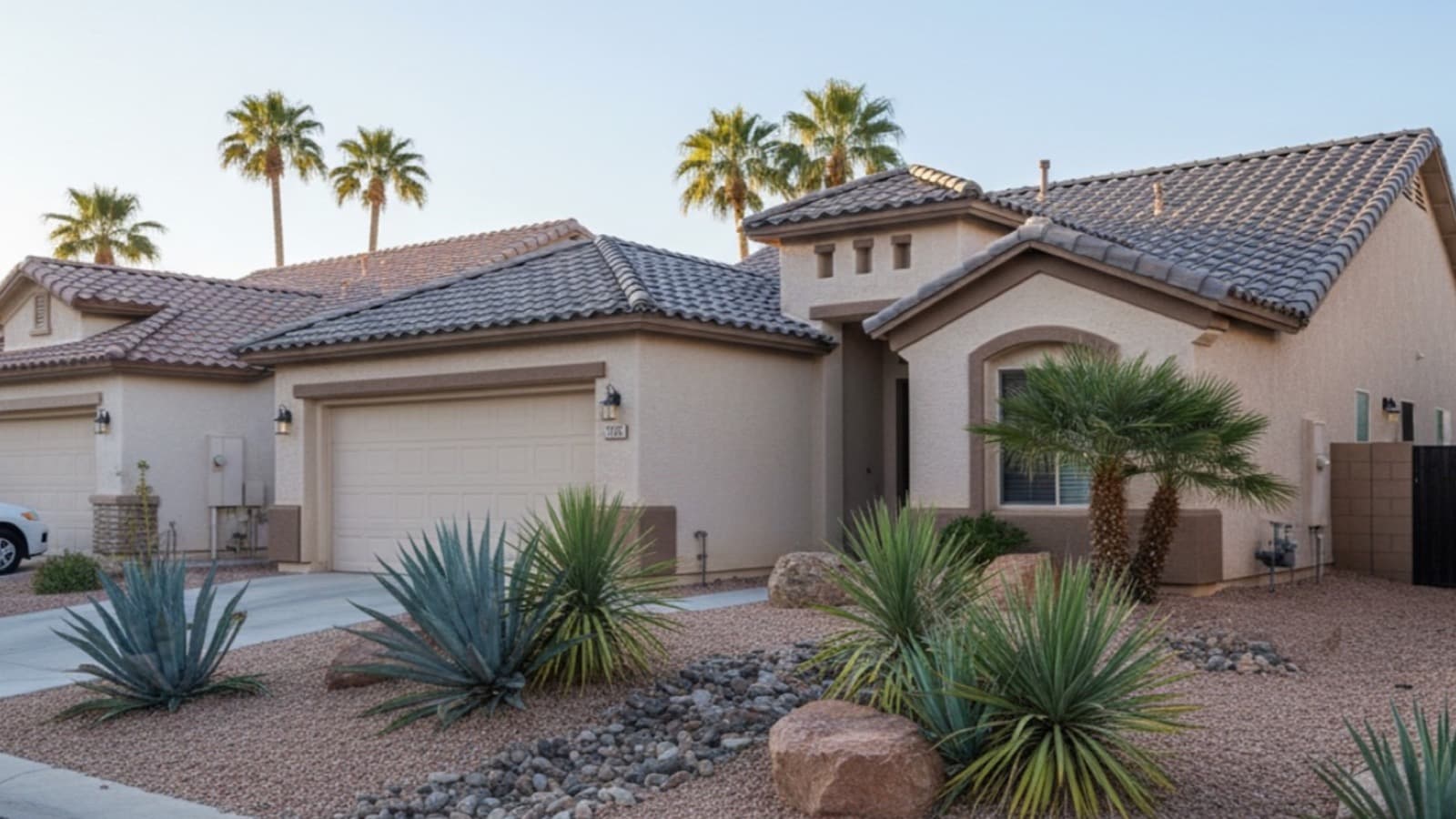
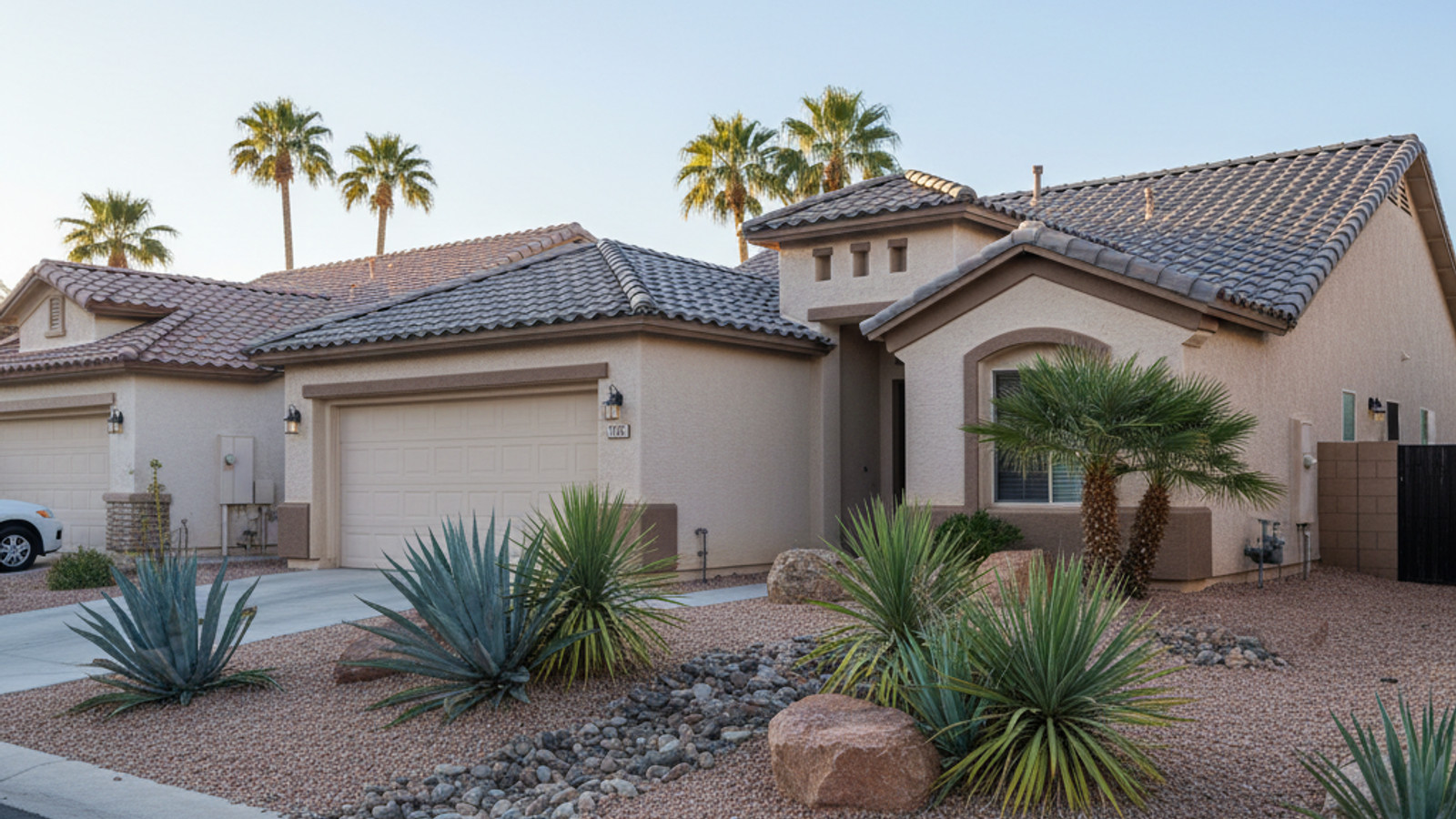
Master Your Curb Appeal: In our climate, xeriscaping is standard, but "low maintenance" doesn't mean "no maintenance." Make sure your rocks are free of weeds and debris, and that your desert plants are trimmed and alive. A dusty, neglected exterior makes buyers worry about deferred maintenance inside.
Climate Control is Non-Negotiable: When a buyer walks into your home, it must be a refuge from the heat. Ensure your AC is serviced and running cool during all showings. If a buyer starts sweating in your living room, they will rush through the tour and likely won't make an offer.
Pool Condition: A pool is a massive asset in Vegas, but only if it sparkles. A green or cloudy pool is viewed as a distinct liability and a money pit. If you have a pool, keep it pristine.
High-Quality Visuals: We are seeing a continued migration trend of buyers coming from California. These out-of-state buyers often start their search online. High-definition drone shots (to show lot size) and 3D virtual tours are essential to hook these long-distance buyers before they even drive across the state line.
Las Vegas Market Trends 2026: What Sellers Need to Know
Understanding the broader economic picture helps you navigate negotiations. Here is the context for the 2026 market.
Interest Rates & Inventory: Rates have stabilized, but they aren't rock bottom. This has pushed inventory up to a balanced market level. Buyers have choices now, so they don't feel the pressure to waive inspections or overbid like they did in the past.
Migration Trends: The influx of residents from neighboring high-cost states continues to support our market. However, these buyers are more price-sensitive than before. They are looking for value, and with the median price stabilized around $470,000, they are doing their math carefully.
Frequently Asked Questions About Selling in Las Vegas
What is the best month to sell a house in Las Vegas?
Research consistently shows that listing in March or April offers the best balance of speed and price. You catch the spring buyer wave before the intense summer heat slows down viewing activity. While June often brings the highest sale prices, homes listed then may sit slightly longer as the buyer pool thins out due to vacations and heat.
How fast are homes selling in Las Vegas right now?
In the current 2026 market, it takes approximately 55 to 60 days on average to receive an acceptable offer. This does not include the closing period, so you should plan for the house to be "active" for about two months.
Is 2026 a buyer's or seller's market in Las Vegas?
We are currently in a Balanced Market that is leaning slightly toward buyers. With roughly 4 months of housing supply, neither side has total control. Sellers need to price competitively, while buyers have more room to negotiate repairs and closing costs.
How long does closing typically take in Nevada?
Once you are under contract, the standard closing timeline is 30 to 45 days. This allows time for the buyer's financing approval, the home inspection, and the appraisal. Cash deals can close much faster, often in two weeks or less.