

Published June 30, 2026 · By Chris Nevada, Nevada Real Estate Group · NV License S.181401
The Reno, NV job market in 2026 looks almost nothing like it did a decade ago. What was once a gaming-dependent town has become one of the West's most dynamic, diversified economies — anchored by the Tahoe-Reno Industrial Center east of the city, home to Tesla's Gigafactory, Panasonic, Switch data centers, and major logistics operations. Add the University of Nevada, Reno, a growing healthcare sector led by Renown Health, and Nevada's zero state income tax, and Reno has become a genuine destination for both careers and quality of life.
This matters to me as a real estate professional because jobs drive housing, and I field the "can I find good work there?" question constantly from relocating buyers. Across the more than 9,600 transactions Nevada Real Estate Group — the #1 real estate team in the state — has closed, a fast-growing share are professionals and remote workers relocating to Reno for lifestyle while keeping or finding strong careers. The median Reno home runs about $560,000, and a healthy job market is part of what supports that value. This guide covers Reno's biggest industries and employers, unemployment, salaries, growing sectors, and what job-seekers should know. For help matching a home to your work situation, call our Northern Nevada team at (775) 277-2120 or browse Reno homes for sale.
Reno's 2026 job market is diversified and fast-growing, spanning advanced manufacturing, logistics, technology, healthcare, education, and gaming — far less gaming-dependent than a decade ago. Major employers include Tesla, Panasonic, Switch, the University of Nevada Reno, and Renown Health, anchored by the Tahoe-Reno Industrial Center. Unemployment tracks near the metro average, salaries are rising, and Nevada's zero state income tax meaningfully boosts take-home versus California.
- Reno's economy has diversified into advanced manufacturing, logistics, tech, healthcare, and education.
- Major employers include Tesla, Panasonic, Switch, the University of Nevada Reno, and Renown Health.
- The Tahoe-Reno Industrial Center is one of the largest industrial parks in the world and the engine of growth.
- Nevada's zero state income tax adds thousands a year to take-home versus California.
- A strong, diversified job base helps support Reno's $560,000 median home value.
What is the job market like in Reno?
Reno's job market in 2026 is healthy, fast-growing, and remarkably diversified — a genuine transformation story. A decade ago, the economy leaned heavily on gaming and tourism; today, advanced manufacturing, logistics, technology, healthcare, and education carry the load, giving Reno a far more resilient base. According to the Economic Development Authority of Western Nevada (EDAWN), the region has attracted thousands of jobs and dozens of companies, driven largely by Nevada's business-friendly tax climate and proximity to California's massive market without California's costs.
The catalyst was the Tahoe-Reno Industrial Center (TRIC) east of the city, one of the largest industrial parks in the world, which landed Tesla's Gigafactory and a cascade of manufacturing and logistics employers after it. According to the Bureau of Labor Statistics, the Reno metro's employment has trended steadily upward, with manufacturing, healthcare, and professional services among the leaders. For relocating workers, the result is real opportunity beyond gaming — plus the lifestyle draw of Lake Tahoe, the Sierra, and a four-season climate. The combination of jobs and quality of life is exactly why so many of my relocating clients are working professionals, not just retirees. Our Reno cost-of-living guide puts local pay in budget context.

What are the biggest industries and employers in Reno?
Reno's largest industries span advanced manufacturing, logistics and distribution, technology and data centers, healthcare, education, and gaming. Advanced manufacturing and logistics dominate the Tahoe-Reno Industrial Center, anchored by Tesla's Gigafactory (one of the largest buildings in the world by footprint) and Panasonic, alongside distribution operations for national brands. Technology is a fast-growing pillar, with Switch operating a massive data-center campus and Google and Microsoft investing in regional infrastructure.
| Industry | Representative employers | Notes |
|---|---|---|
| Advanced manufacturing | Tesla, Panasonic | Anchored by TRIC |
| Technology / data centers | Switch, Google, Microsoft | Major capital investment |
| Logistics / distribution | National brand fulfillment centers | Central western location |
| Healthcare | Renown Health, Saint Mary's | Large, growing employer base |
| Education / government | University of Nevada Reno, Washoe County | Stable public sector |
| Gaming / tourism | Downtown casinos, events economy | Still meaningful, less dominant |
According to EDAWN, healthcare is a major and growing pillar, led by Renown Health and Saint Mary's, while the University of Nevada, Reno anchors education and research employment and feeds the local talent pipeline. Gaming and tourism remain meaningful through the downtown casinos and the region's events economy, but they no longer dominate the way they once did. This breadth is the point: a worker losing a job in one sector has options in several others, which is what makes Reno's economy far more resilient than it was a generation ago.
What is the unemployment rate in Reno?
Reno's unemployment rate generally tracks near the national and Nevada averages, reflecting its diversified, fast-growing economy. According to the Bureau of Labor Statistics, the Reno metro's unemployment has trended down over recent years as the economy diversified and added thousands of manufacturing, logistics, and healthcare jobs. The diversification away from a single dominant industry has made the local labor market steadier than it was during the gaming-only era.
It is worth understanding the context: Northern Nevada was historically exposed to tourism and gaming cycles, but the post-Gigafactory diversification has reshaped that profile. According to EDAWN, sustained job growth has actually created labor demand across skilled trades, technology, and healthcare, with employers competing for workers. For job-seekers, the practical read is that Reno offers a genuinely opportunity-rich labor market, especially in manufacturing, healthcare, and skilled technical roles. That strength is one reason the region's housing demand has stayed durable, supporting values across the Truckee Meadows and our best neighborhoods in Reno.
What are the highest-paying jobs in Reno?
The highest-paying careers in Reno cluster in technology and engineering, healthcare, advanced manufacturing management, and professional services. Engineering and technical roles tied to the Gigafactory, data centers, and manufacturing sector command strong salaries, as do physicians and specialized medical professionals at Renown and Saint Mary's. Senior management, finance, and professional-services positions round out the top tier, and university faculty and research roles add stable, well-paid options.
| Field | Typical salary range | Notes |
|---|---|---|
| Healthcare (physicians, specialists) | $120,000–$350,000+ | Highest tier |
| Engineering / technology | $85,000–$160,000 | Gigafactory, data centers |
| Skilled manufacturing / trades | $50,000–$95,000 | Tesla, Panasonic, TRIC |
| Nursing / allied health | $70,000–$120,000 | Strong, steady demand |
| Management / professional | $70,000–$150,000 | Across sectors |
| University / research | $60,000–$140,000 | UNR and affiliates |
According to the Bureau of Labor Statistics, healthcare and technical occupations command the highest wages in the metro. Crucially, every one of these salaries goes further in Reno because Nevada has no state income tax — a $120,000 salary here delivers more take-home than the same salary in California. For high earners especially, that tax advantage effectively boosts compensation. A registered nurse earning $90,000, a Gigafactory engineer earning $130,000, or a physician earning $250,000 all keep more of their pay in Reno than across the Sierra, which our salary needed to live in Reno guide quantifies in budget terms.
Which sectors are growing fastest in Reno?
The fastest-growing sectors in Reno are advanced manufacturing, logistics, technology and data centers, and healthcare. The Tahoe-Reno Industrial Center remains the engine — its available land, freeway and rail access, and tax advantages continue to attract manufacturers and distributors, with Tesla's ongoing expansion a recurring growth story. According to EDAWN, the region has consistently ranked among the faster-growing metros in the West for job creation, drawing companies relocating or expanding from California.
Technology and data infrastructure are close behind, with Switch's campus and broader cloud and AI-driven data-center demand fueling investment. Healthcare continues to expand alongside the growing population, with Renown and Saint Mary's adding capacity and specialists. According to the Bureau of Labor Statistics, healthcare and professional/technical services are among the metro's growth leaders. For relocating professionals, these are the sectors with the most momentum — and the ones most likely to be hiring as Reno continues its expansion. The growth also underpins housing demand, which keeps the Reno market active.
| Sector | Growth driver | Where |
|---|---|---|
| Advanced manufacturing | Tesla expansion, land, tax climate | Tahoe-Reno Industrial Center |
| Technology / data centers | Switch, cloud + AI demand | TRIC / regional |
| Logistics / distribution | Central western location, rail | TRIC / Sparks |
| Healthcare | Growing + aging population | Citywide |
| Professional services | California in-migration of firms | South Reno, downtown |

How does Reno's job market compare to Las Vegas and Sparks?
Compared to Las Vegas, Reno's job market is smaller but more balanced and less tourism-dependent. Las Vegas remains the larger metro and the epicenter of the Strip economy — tourism, gaming, and conventions — while Reno has built a diversified base of manufacturing, logistics, tech, and healthcare. For workers who want a stable, growing economy with a four-season climate and Tahoe access, Reno's profile is compelling. Neighboring Sparks shares Reno's labor market entirely — the two cities border each other, and the Tahoe-Reno Industrial Center sits just east of Sparks, so many TRIC workers actually live in Sparks for the value.
For most workers, the practical reality is one integrated Reno-Sparks labor market: residents commute freely across the two cities and out to TRIC. According to the Bureau of Labor Statistics, the metro functions as a single job market, so living in Reno or Sparks gives you access to the same employers. The advantage of basing yourself here is the combination of real career opportunity and Sierra lifestyle. For a broader relocation view, our Reno relocation guide covers the logistics, and Carson City is a third option for state-government workers.
| Factor | Reno | Las Vegas | Sparks |
|---|---|---|---|
| Economic base | Mfg, tech, health, gaming | Tourism / gaming heavy | Shares Reno's base + TRIC |
| Total job volume | Mid-size, growing fast | Largest | Smaller, TRIC-adjacent |
| Cyclical stability | Diversified, resilient | Tourism-exposed | Diversified, resilient |
| Climate / lifestyle | Four seasons, Tahoe | Desert, Strip | Four seasons, Tahoe |
What is the average salary and cost-of-living balance in Reno?
The average salary in Reno runs above many comparable metros, reflecting the influx of tech, manufacturing, and professional jobs. According to the U.S. Census Bureau, Reno's median household income has climbed with the economic diversification, supporting the city's higher home prices and rents. That higher income is part of what makes the market work even as costs have risen.
The more important number is the balance between pay and cost of living, and here Nevada's tax structure does the heavy lifting. Reno's cost of living runs about 18% above the national average, but the absence of state income tax means take-home stretches further than the gross figures suggest. On a $100,000 salary, a worker keeps thousands more here than in California; on a $150,000 salary, the zero income tax saves roughly $9,000 to $11,000 a year; and at $250,000, the savings run $18,000 to $22,000 annually. According to the Tax Foundation, Nevada's overall tax burden ranks among the lowest in the country. The result is a favorable pay-to-cost ratio, especially for households relocating from high-tax California, where a similar salary yielded less spending power. For workers eyeing homeownership, that improved take-home is what makes buying in Reno attainable.
How does the job market affect Reno real estate?
A strong, diversified job market is one of the foundations under Reno home values, and the connection is direct. Jobs bring people, people need housing, and Reno's transformation has brought tens of thousands of well-paid workers who need places to live. The diversified economy means housing demand is not tied to a single industry — when the Gigafactory adds a shift or Renown expands, those workers need homes, which sustains the market through cycles that might hit a one-industry town harder.
According to Northern Nevada market data, Reno's housing demand has stayed durable in large part because of this economic breadth, and the median near $560,000 reflects buyers who can support those prices with strong local incomes plus relocating California wealth. For buyers, the takeaway is reassuring: you are buying into a city with a real, diversified, growing economy. That matters for resale value and long-term stability. Whether you are an established professional, a TRIC worker, or a relocating remote worker, matching your home purchase to your employment situation is something we help clients think through — start with our buyer resources or the live home search. And if a job change means selling a current Reno home, our seller resources cover that side too.
Is Reno good for remote workers?
Reno has become a magnet for remote workers, and it is one of the clearest trends I see in my buyer pool. For someone who can work anywhere, Reno offers a compelling package: no state income tax, a lower cost of living than the Bay Area, four real seasons, Lake Tahoe 45 minutes away, fast internet in the newer communities, and a quick flight or drive back to California to see family or the office. Remote workers keep their (often higher) California salaries while cutting their tax and housing costs dramatically.
According to the U.S. Census Bureau, remote and hybrid work has reshaped migration patterns, and tax-friendly western cities like Reno have been major beneficiaries — particularly for Bay Area tech workers who can keep their pay. The math is straightforward: a California tech worker who goes remote and moves to Reno can gain thousands in tax savings and a much lower mortgage while keeping their income, and gain Tahoe out the back door. Reno's proximity to the Bay Area is a key differentiator versus other tax-friendly destinations — it is a short flight or a roughly four-hour drive, so hybrid workers who need to be in a California office occasionally can still make it work. That "close enough to commute when needed, far enough to escape the taxes" positioning is exactly why Reno wins relocations that might otherwise go to Austin or Phoenix. For these buyers, the home often centers on a dedicated office, strong internet, and a lifestyle-rich neighborhood — and Reno's newer master plans and new-construction communities deliver exactly that. It is a big part of why the region's professional in-migration keeps growing, and why a quick conversation with our team is the best first step for relocating remote workers.
Where do Reno workers live and commute?
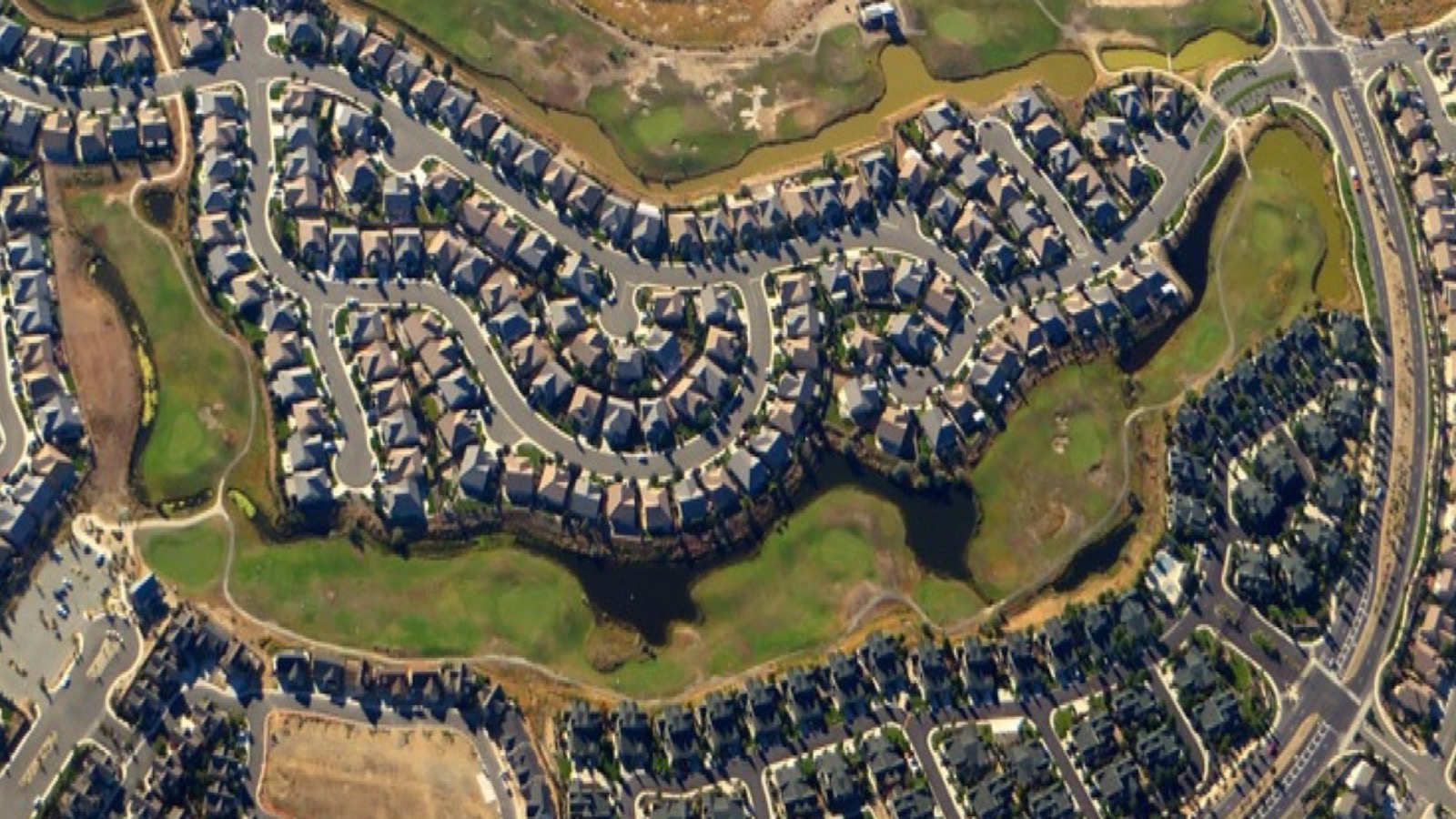
Where Reno workers live often depends on where they work, and the regional geography shapes the choice. Workers at the Tahoe-Reno Industrial Center — Tesla, Panasonic, Switch — frequently live in Sparks or the North Valleys, which sit closest to TRIC and offer the region's best value. University and healthcare workers cluster nearer central Reno and the midtown and old southwest neighborhoods. Professionals and families who can afford it gravitate to South Reno, Damonte Ranch, and Somersett for the newer homes and stronger schools, accepting a slightly longer commute.
According to the City of Reno and regional planning data, commutes across the Truckee Meadows are manageable by big-city standards — most trips run 15 to 35 minutes outside peak times, and the freeway network connects the cities and TRIC efficiently. Reno-Tahoe International Airport, just minutes from downtown, is a real plus for business travelers and remote workers who fly to California or beyond. The practical planning move is to weigh your likely workplace against neighborhood location and price: TRIC workers maximize value in Sparks and the North Valleys, while downtown and university workers prioritize central neighborhoods. We help clients factor commute into neighborhood choice constantly, and the Reno hub maps the areas.
Is Reno a good place to start a business?
Reno is one of the more business-friendly markets in the country, and that matters for entrepreneurs and self-employed professionals relocating in. Nevada has no corporate income tax and no personal income tax, no franchise tax, and a streamlined business-licensing process, which lowers the cost and friction of running a company. The region actively courts employers through EDAWN, and the Tahoe-Reno Industrial Center offers development-ready land that has drawn companies of every size from California.
| Factor | Reno / Nevada | California |
|---|---|---|
| Corporate income tax | None | 8.84% |
| Personal income tax | None | Up to 13.3% |
| Proximity to CA market | Just over the Sierra | In-state |
| Industrial land | Available (TRIC) | Constrained, costly |
According to the Nevada Governor's Office of Economic Development, the state's tax structure and incentives have attracted companies relocating or expanding from California, and the Reno region has been a primary beneficiary. For a self-employed professional earning $200,000, eliminating a 9% to 13% California state income-tax bill can mean $18,000 to $26,000 a year retained — capital that can fund hiring, equipment, or a down payment on a $560,000 home. Many of my entrepreneur clients relocate the business along with the household, capturing the tax savings on both.
Beyond taxes, Reno offers entrepreneurs a genuine talent pool — University of Nevada, Reno graduates plus the skilled workers drawn by the Gigafactory and data centers — and commercial lease rates well below the Bay Area. Small businesses also benefit from a customer base that keeps growing as in-migration continues. The combination of low operating costs, available talent, and proximity to the massive California market without California's tax burden is why Reno has become a launchpad for relocating companies and solo founders alike. It is one more reason Reno's professional population — and its housing demand — keeps growing, which keeps the Reno housing market resilient.

What should job-seekers relocating to Reno know?
If you are relocating to Reno for work or to find it, a few practical things help. First, think of the job search regionally — you are tapping the entire Reno-Sparks-TRIC labor market, not just downtown Reno employers, so cast a wide net across manufacturing, tech, healthcare, logistics, and professional services. Second, lean into Nevada's tax advantage when evaluating offers: a Reno salary is worth more in take-home than the same number in California, so factor that into any comparison.
Third, consider timing your housing around your employment — many relocating workers rent for six to twelve months while they settle into a job, then buy once income is stable. This is especially wise if your role is at the Tahoe-Reno Industrial Center, since living in Sparks or the North Valleys can cut both your commute and your housing cost meaningfully. Fourth, if you are a remote worker, prioritize a home with a good office setup and verify internet service for the specific address, since speeds vary by neighborhood across the region. According to EDAWN, the region offers economic-development resources and networking that can help newcomers plug into the job market quickly. When your work situation is clear and you are ready to put down roots, our team can match you to the right neighborhood, weighing your commute, budget, and schools together so the home supports the career you came here to build. Call our Northern Nevada team at (775) 277-2120 or browse Reno homes for sale.
Frequently Asked Questions
Is Reno, NV a good place to find a job?
Yes — Reno offers a diversified, fast-growing job market spanning advanced manufacturing, logistics, technology, healthcare, education, and gaming, plus access to the entire Reno-Sparks-TRIC labor market. Major employers include Tesla, Panasonic, Switch, the University of Nevada Reno, and Renown Health. Unemployment tracks near the metro average, and Nevada's zero state income tax makes every salary go further than in California.
What are the biggest employers in Reno?
Reno's largest employers span advanced manufacturing (Tesla's Gigafactory, Panasonic at the Tahoe-Reno Industrial Center), technology (Switch data centers), logistics (national fulfillment centers), healthcare (Renown Health, Saint Mary's), education (University of Nevada Reno), and gaming (the downtown casinos). This breadth across sectors is what gives Reno its economic resilience compared to its gaming-dependent past.
What is the average salary in Reno, NV?
Reno's median household income runs above many comparable metros, reflecting its concentration of tech, manufacturing, healthcare, and professional jobs. Individual salaries vary widely — from roughly $50,000 in entry-level manufacturing to $120,000–$350,000-plus for physicians and specialists. Critically, Nevada has no state income tax, so take-home pay on any Reno salary exceeds what the same gross would yield in California.
What industries are growing in Reno?
The fastest-growing sectors are advanced manufacturing and logistics (concentrated at the Tahoe-Reno Industrial Center, anchored by Tesla), technology and data centers (Switch and broader cloud demand), and healthcare (expanding with the growing population). Nevada's business-friendly, no-income-tax climate continues to attract companies relocating from California, making these the sectors most likely to be hiring.
Does Reno have jobs beyond gaming and tourism?
Absolutely — that is the heart of Reno's transformation. While gaming and tourism remain meaningful, the economy is now led by advanced manufacturing, logistics, technology, and healthcare. The Tahoe-Reno Industrial Center brought Tesla, Panasonic, and Switch, and the University of Nevada Reno and Renown Health anchor education and healthcare. Reno today is a diversified economy, not a gaming town.
How does no state income tax help Reno workers?
Nevada has no state income tax, so Reno workers keep more of every paycheck than they would in California. For a $120,000 earner, that can mean several thousand dollars more in annual take-home; for high earners, the savings run into five figures. This effectively boosts compensation and improves the pay-to-cost-of-living ratio, a major draw for relocating professionals and remote workers, especially from the Bay Area.
Is Reno good for remote workers?
Very. Reno offers no state income tax, a lower cost of living than the Bay Area, four real seasons, Lake Tahoe 45 minutes away, fast internet in newer communities, and quick access back to California. Remote workers can keep their California salaries while cutting tax and housing costs dramatically. It is one of the clearest growth trends among relocating buyers, and newer master plans cater to home-office needs.
Which Sources Inform This Reno Job Market Guide?
This guide draws on Nevada Real Estate Group's direct experience with relocating clients plus public data from government and industry authorities. Employment data and employer rosters change — confirm current specifics with the relevant authority before acting. This is general educational information, not legal, financial, or career advice, and all services are offered in compliance with the Fair Housing Act.
- Bureau of Labor Statistics — Reno metro employment
- Economic Development Authority of Western Nevada (EDAWN)
- Nevada Department of Employment, Training and Rehabilitation
- U.S. Census Bureau — Reno QuickFacts
- Tax Foundation — state tax burden rankings
- University of Nevada, Reno
- Nevada Governor's Office of Economic Development
- Bureau of Economic Analysis — regional data
- Renown Health
- Washoe County — economic information
- U.S. Department of Housing and Urban Development — Fair Housing Act