

Published June 30, 2026 · By Chris Nevada, Nevada Real Estate Group · NV License S.181401
Reno HOA fees are an important — and frequently overlooked — line item in a Northern Nevada home purchase. Unlike heavily master-planned Southern Nevada, Reno is a mix: many older central neighborhoods have no HOA at all, while the newer South Reno, Somersett, and Damonte Ranch communities carry dues that typically run $30 to $150 a month, with gated and luxury communities like ArrowCreek and Montreux running $150 to $400 or more. Knowing what you are paying for — and budgeting it alongside your mortgage and Nevada's low property taxes — is essential to getting the full cost picture right.
I walk every Reno buyer through this, because the HOA fee directly affects both affordability and the lifestyle you are buying. Across the more than 9,600 transactions Nevada Real Estate Group — the #1 real estate team in the state — has closed, I have seen buyers fall in love with a home and overlook the dues, and others gladly pay a premium for the amenities and security those dues fund. On the median Reno home near $560,000, the HOA is a real part of the monthly carrying cost. This guide explains Reno HOA fees in 2026: typical dues by community, what they cover, why some run higher, special assessments, no-HOA options, and how to vet an HOA before you buy. For help evaluating a specific community, call our Northern Nevada team at (775) 277-2120 or browse Reno homes for sale.
Reno HOA fees in 2026 typically run $30–$150 a month for standard newer communities, with gated and luxury communities like ArrowCreek, Somersett, and Montreux running $150–$400 or more. Dues fund amenities, common-area landscaping, and (in gated communities) security. Unlike Southern Nevada, many older central Reno neighborhoods have no HOA at all. Always confirm a community's total dues, reserves, and rules before buying.
- Most newer Reno HOA dues run $30–$150 a month; gated and luxury communities run $150–$400+.
- Many older central Reno neighborhoods have no HOA — a real difference from master-planned Southern Nevada.
- Dues fund amenities, common-area landscaping, and security in gated communities.
- Newer master plans may carry special assessments on top of HOA dues — always check.
- Review dues, reserves, and CC&Rs before buying — call (775) 277-2120 to vet a community.
How much are HOA fees in Reno?
Reno HOA fees in 2026 most commonly fall between $30 and $150 a month for newer standard communities, but the full range is wide because dues scale with amenities and services. An amenity-light newer subdivision might charge $30 to $75 a month, a master plan with parks and pools runs $75 to $200, and gated or luxury communities with private security and extensive amenities run $150 to $400 or more. The fee reflects exactly what the community provides.
Here is where Reno differs sharply from Southern Nevada: because much of central and older Reno was built before the master-plan era, a meaningful share of homes have no HOA at all. So for Reno buyers, the question is genuinely "HOA or no HOA, and if so, how much?" — not a foregone conclusion. According to the Nevada Revised Statutes (NRS 116), Nevada regulates how HOAs operate, budget, and assess dues, giving buyers protections and transparency. In my experience, the HOA fee should always be evaluated alongside the home price and Nevada's low property taxes to understand the true monthly cost — a topic our Reno property taxes guide covers in detail. The sections below break the fees down by community.

What do Reno HOA fees cover?
Reno HOA fees cover the shared infrastructure and services that make master-planned living what it is. At a baseline, dues fund common-area landscaping, maintenance of community-owned spaces, snow removal on shared roads, and the HOA's management and reserves. As you move up in amenity level, fees add community pools, fitness centers, parks, clubhouses, trails, and event programming. In gated communities, dues also fund the gates, cameras, and access control; in the luxury gated communities, they fund staffed security and premium common areas.
| Fee tier | Typical monthly dues | What's included |
|---|---|---|
| Basic newer subdivision | $30–$75 | Common-area landscaping, management |
| Standard master plan | $75–$200 | Parks, pools, trails, events |
| Gated community | $150–$300 | Adds gates, cameras, access control |
| Luxury gated | $250–$400+ | Staffed security, premium amenities |
According to the Nevada Revised Statutes (NRS 116), HOAs must budget for reserves to fund long-term repairs of common elements, which is part of what your dues support and a key protection against surprise special assessments. The practical point is that the fee buys a defined package — and you should know exactly what it is before you buy. Some buyers happily pay $200 a month for a pool, clubhouse, and maintained trails; others prefer a leaner $50 community or no HOA at all. Matching the amenity level to how you will actually live is the goal, and it is something we help clients weigh in our best neighborhoods in Reno guide.
How do Reno HOA fees vary by community?
HOA fees vary substantially across the Reno area, tracking the amenity and security level closely. Older central neighborhoods often have no HOA, newer South Reno and Sparks subdivisions sit at the lower-to-middle end, master plans like Somersett and Damonte Ranch are middle, and the gated luxury communities top the range.
| Community / area | Approx. monthly dues | Notes |
|---|---|---|
| Older central Reno | $0–$50 | Often no HOA |
| North Valleys subdivisions | $30–$90 | Value, newer tracts |
| Damonte Ranch (South Reno) | $60–$150 | Master plan, amenities |
| Somersett | $100–$250 | Master plan, golf, trails |
| ArrowCreek | $200–$350 | Gated, amenities |
| Montreux | $300–$500+ | Gated luxury golf |
According to Northern Nevada community-management information, these figures are directional and can change with budgets and which sub-association a specific home falls under. The spread is wide enough that the HOA fee should factor into your neighborhood choice, not just the home price. A $300-a-month difference between a no-HOA central home and a Montreux home is over $3,600 a year — real money that affects what you can afford. We always pull the exact, current dues for any home a client is serious about, since published ranges are only a starting point. Browse communities across the range via Reno homes for sale and the Sparks hub.
Why are some Reno HOA fees higher?
The communities with the highest HOA fees are the gated and luxury master plans, and the reason is simple: they provide far more. Staffed or controlled gates, private security, premium landscaping, golf-course-adjacent common areas, and resort-grade amenities all cost money, and those costs are spread across the homeowners as dues. Montreux funds its gated, golf-course setting; ArrowCreek and Somersett fund their clubhouses, trails, and recreation centers.
According to community-management norms, security and amenity depth are the biggest single drivers of higher dues. For buyers who prioritize privacy, security, and an amenity-rich lifestyle, that premium is exactly what they are paying for, and many consider it well worth it. The honest framing I give clients is that higher dues are not inherently "bad" — they buy a tangible level of service. The question is whether you will use and value what the dues fund. A golfer in Montreux or a family using the Somersett pools and trails daily sees great value; someone who would rather have a leaner budget might prefer a no-HOA central neighborhood. Either way, understanding the trade-off is the key, and the guard-gated communities framework applies in Northern Nevada too.

Do many Reno neighborhoods have no HOA?
Yes — and this is one of the biggest differences between Reno and Southern Nevada. Because much of central and older Reno was built before the master-plan era, a substantial share of homes have no HOA at all. These homes trade the amenities and rules of an HOA for freedom (park an RV or boat, paint your house any color, skip the monthly dues) and a lower monthly cost. For buyers who value autonomy — and for the many Reno residents who own trucks, boats, RVs, and toys for the Sierra and Tahoe lifestyle — no-HOA homes are genuinely appealing and far more available here than in Las Vegas or Henderson.
The trade-offs are real, though: no-HOA neighborhoods generally lack community pools, gated security, and the uniform upkeep that maintains values in master plans, and the housing stock is often older. According to Northern Nevada market data, both no-HOA character homes and amenity-rich master plans hold demand, so it comes down to lifestyle preference rather than one being strictly better. In my experience, Reno buyers who want to store toys and avoid rules gravitate to the older neighborhoods, while families who want pools, parks, and newer construction choose the master plans. We track both for clients — start a search on the live home search or talk it through via our contact our team page.
What is the difference between HOA fees and special assessments?
Reno buyers should understand that regular HOA dues and special assessments are different things. Regular dues are the predictable monthly amount that funds amenities, services, and reserves. A special assessment is a one-time charge levied on homeowners when reserves fall short of a major expense — repaving roads, replacing a clubhouse roof, resurfacing pools — and it can range from a few hundred to several thousand dollars.
| Feature | Regular HOA dues | HOA special assessment | Infrastructure district |
|---|---|---|---|
| Paid to | Private HOA | Private HOA | Local government (tax bill) |
| Frequency | Ongoing (monthly) | One-time, as needed | Fixed term (years) |
| Funds | Amenities, upkeep, reserves | Major repair shortfall | Roads, sewers, utilities |
| Typical amount | $30–$400/month | $hundreds–$thousands | Varies; on tax bill |
Separately, some newer Reno master plans, particularly in growing South Reno areas, may carry special assessment districts that fund infrastructure like roads and sewers, repaid over a set term and added to your property tax bill — distinct from the private HOA. According to the Nevada Revised Statutes (NRS 116), HOAs are required to conduct reserve studies and budget for long-term repairs, which protects owners from frequent special assessments. The buyer takeaway is critical: before purchasing, review the HOA's reserve study and financials to gauge whether a special assessment is likely, and check for any infrastructure assessment districts. A community with underfunded reserves is a red flag that could mean a surprise bill. Our Reno property taxes guide covers the infrastructure-assessment side.

How do Reno HOA fees compare to Sparks and Las Vegas?
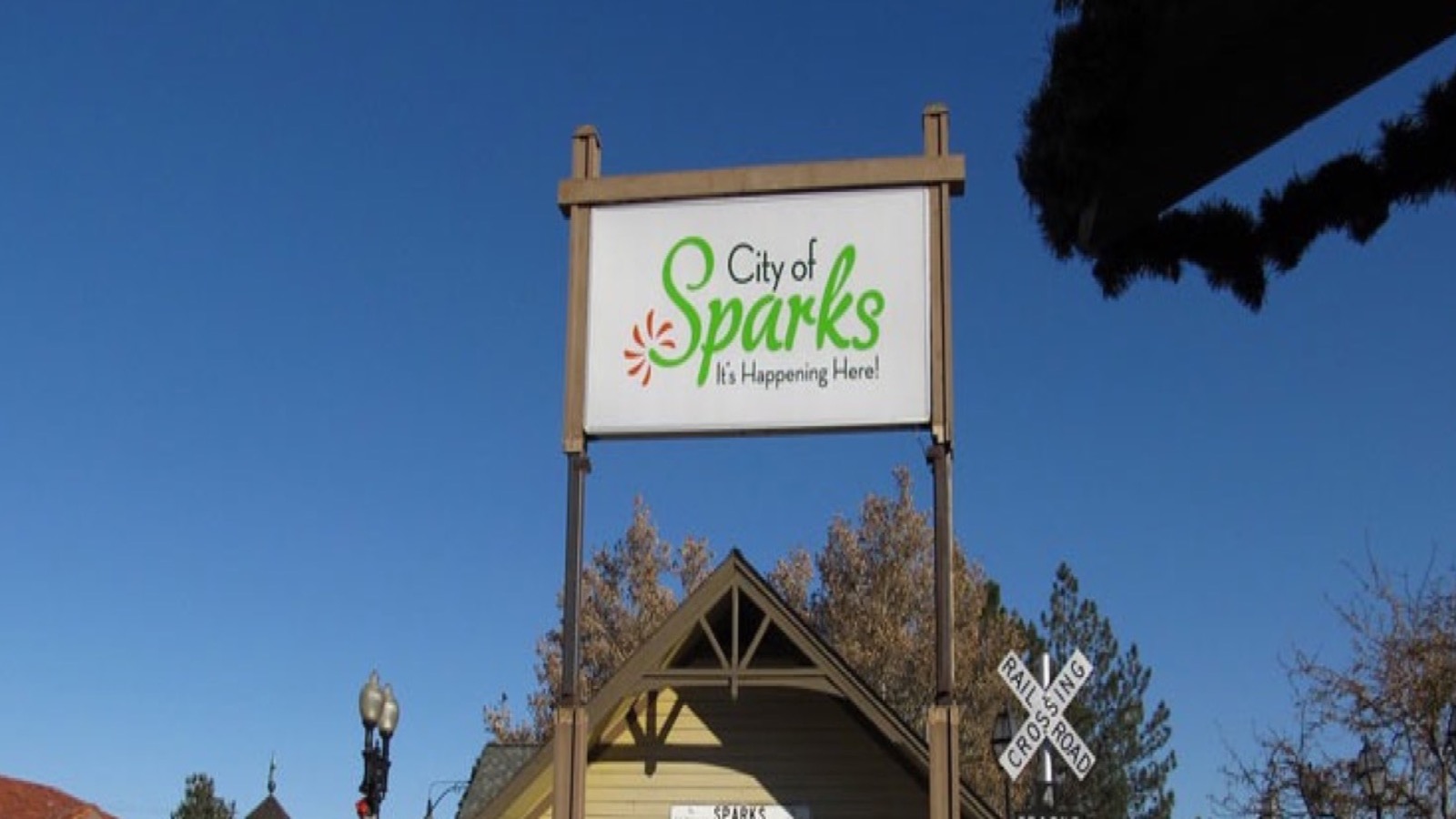
Reno's HOA fees are broadly comparable to neighboring Sparks for similar community types, with differences driven by amenity and security level rather than which city. A standard newer master-plan home in Reno or Sparks will carry similar dues in the $60 to $200 range, while gated communities in either run higher. Sparks, like Reno, also has older neighborhoods with no HOA.
Compared to Southern Nevada — Las Vegas, Henderson, and Summerlin — Reno's HOA landscape is meaningfully lighter overall, simply because Reno has a larger share of older, non-master-planned, no-HOA neighborhoods. Heavily master-planned Henderson and Summerlin have near-universal HOAs, often at higher dues for the resort-style amenities, whereas Reno offers more no-HOA choice. According to Northern Nevada market data, this is a genuine selling point for Reno buyers who want autonomy. For buyers comparing regions, the HOA math is one more factor alongside price, climate, and lifestyle — and Reno's four seasons and Tahoe access are the bigger draws. The Carson City market is similar to Reno on HOA mix.
What rules and restrictions do Reno HOAs enforce?
Reno HOAs enforce CC&Rs — Covenants, Conditions, and Restrictions — the rules that maintain a community's appearance and standards. Common restrictions cover exterior paint colors, landscaping requirements, parking (often limiting RVs, boats, and street parking — a real consideration for the toy-owning Sierra lifestyle), home-based businesses, short-term rentals, fences, and architectural changes that require approval. For many buyers, these rules are a feature that protects values; for others — especially those with RVs and boats — they can feel restrictive, which is part of why no-HOA Reno neighborhoods are so popular.
According to the Nevada Revised Statutes (NRS 116), HOAs have defined powers and limits on enforcement, and homeowners have rights in the process, including notice and hearing procedures for violations and fines. The key is to actually read the CC&Rs before you buy, because they govern what you can and cannot do with your own property. I have seen Reno buyers frustrated to learn after closing that they could not park their boat or RV at home — exactly the kind of thing the CC&Rs spell out. Reading them upfront prevents that, and for buyers who prioritize storing toys, I steer them toward no-HOA neighborhoods or communities with lighter restrictions from the start.
How do Reno HOA fees affect affordability and resale?
HOA fees affect both what you can afford to buy and how the home performs at resale, so they deserve real weight in your decision. On the affordability side, dues are part of your monthly housing cost and count against your debt-to-income ratio when you qualify for a mortgage — a $300-a-month HOA reduces your borrowing power by roughly the same as adding $50,000 to $60,000 of mortgage at current rates. That means two homes at the same price can fit very different budgets depending on their dues, which is why I always factor the HOA into the affordability math, not just the list price.
On the resale side, the relationship is nuanced. Reasonable dues that fund genuinely desirable amenities — pools, trails, gated security, a golf course — tend to support value, because buyers will pay for the lifestyle. But dues that feel high relative to what they deliver, or an HOA with a history of special assessments and depleted reserves, can become a drag at resale. According to Northern Nevada market data, well-run master plans like Somersett and Damonte Ranch have held value strongly, while no-HOA character neighborhoods hold their own appeal for buyers who want freedom. The takeaway: a fair HOA funding real amenities is an asset; an expensive or poorly run one is a liability. We help clients read that distinction before they buy, which is part of the best neighborhoods in Reno analysis.
What should second-home and Tahoe-bound buyers know about Reno HOAs?
Reno's proximity to Lake Tahoe means many buyers here are second-home owners, snowbirds, or weekenders, and HOAs matter differently for them. For a property you will not occupy full-time, an HOA can actually be a benefit — it handles landscaping, snow removal on shared roads, and common-area upkeep while you are away, and gated communities add a layer of security for a home that sits empty part of the year. That hands-off maintenance is exactly what many second-home owners want.
The flip side is the cost and the rules. Second-home and rental properties do not get Nevada's 3% owner-occupied property-tax cap (they fall under the 8% cap), and if you plan to rent the home short-term, you must confirm the HOA's CC&Rs allow it — many Reno-area HOAs restrict or prohibit short-term rentals, and the Lake Tahoe and Incline Village markets have their own rules layered on top. According to the Nevada Revised Statutes (NRS 116), HOAs can regulate rentals within their governing documents, so always verify before buying with rental income in mind. For buyers weighing a Reno base with Tahoe access, we walk through exactly these considerations so the property fits how you actually intend to use it.
How do you evaluate a Reno HOA before buying?
Evaluating an HOA properly is one of the most important — and most skipped — steps in a Reno purchase. The checklist I walk clients through: confirm the exact total monthly dues (master plus any sub-association); read the CC&Rs to understand the rules, especially parking and architectural limits; review the HOA's budget and reserve study to gauge financial health and special-assessment risk; check recent meeting minutes for disputes or planned increases; and verify whether the home also sits in an infrastructure assessment district. Nevada law requires the seller to provide HOA documents during the transaction, so you have the right to review all of this before you close.
According to the Nevada Revised Statutes (NRS 116), buyers are entitled to a resale package with the governing documents and financials, and there is a review period — use it. A healthy HOA with funded reserves, reasonable dues, and clear rules is an asset; a poorly run one with depleted reserves and conflict is a liability you inherit. This due diligence is exactly where a knowledgeable local agent earns their keep, and it is standard practice on every Reno transaction we handle. When you are ready to evaluate a specific community — or want help finding one whose dues and rules fit your life, including no-HOA options — call (775) 277-2120, start with our buyer resources or seller resources if you have a home to sell first, or browse Reno homes for sale.
Frequently Asked Questions
How much are HOA fees in Reno, NV?
Reno HOA fees most commonly run $30 to $150 a month for newer standard communities, while gated and luxury communities like ArrowCreek, Somersett, and Montreux run $150 to $400 or more. The fee scales with amenities and security. Importantly, unlike Southern Nevada, many older central Reno neighborhoods have no HOA at all, so dues are not a foregone conclusion when buying here.
Do all Reno homes have an HOA?
No — and that is a key difference from Las Vegas and Henderson. Because much of central and older Reno was built before the master-plan era, a substantial share of homes have no HOA. Newer South Reno, Somersett, and Damonte Ranch communities do have HOAs, but buyers who want to avoid dues and rules — or store an RV or boat — have far more no-HOA options in Reno than in Southern Nevada.
What do Reno HOA fees pay for?
HOA fees fund common-area landscaping, maintenance, snow removal on shared roads, management, and reserves at a baseline, then add amenities like pools, fitness centers, parks, clubhouses, and trails as you move up in tier. Gated communities use dues for gates and access control; luxury gated communities fund staffed security and premium amenities. Per NRS 116, dues also build reserves for major future repairs.
Why are some Reno HOA fees so high?
The highest dues are in gated and luxury communities like Montreux and ArrowCreek because they provide far more: staffed or controlled gates, private security, premium landscaping, golf-adjacent common areas, and resort-grade amenities, all spread across homeowners. For buyers who prioritize security and amenities, the premium buys a tangible level of service — the question is whether you will use and value what the dues fund.
Do Reno homes have special assessments?
Some do. A special assessment is a one-time HOA charge when reserves fall short of a major expense, ranging from a few hundred to several thousand dollars. Separately, some newer South Reno master plans carry infrastructure assessment districts that fund roads and sewers, repaid over a term and added to your tax bill. Both are disclosed at purchase, so review the reserve study and confirm the all-in cost before buying.
How do I check an HOA's fees and health before buying in Reno?
Confirm the exact total monthly dues (master plus any sub-association), read the CC&Rs for rules (especially parking), review the budget and reserve study for financial health and special-assessment risk, check recent meeting minutes, and verify any infrastructure assessment districts. Nevada law (NRS 116) entitles buyers to a resale package with the governing documents and a review period. A healthy, well-funded HOA is an asset; a poorly run one is a liability.
Are Reno HOA fees cheaper than Las Vegas?
Reno's HOA landscape is lighter overall, mainly because Reno has more older, no-HOA neighborhoods, while heavily master-planned Las Vegas, Henderson, and Summerlin have near-universal HOAs. For comparable newer master-plan homes, dues are broadly similar. But a Reno buyer has more no-HOA choice, which can mean lower overall monthly costs if you prioritize that — a genuine selling point of the Northern Nevada market.
Which Sources Inform This Reno HOA Guide?
This guide draws on Nevada Real Estate Group's direct transaction experience plus public data from government authorities. HOA dues, rules, and assessments vary by community and change over time — confirm current specifics with the specific HOA and review the governing documents before buying. This is general educational information, not legal or financial advice, and all services are offered in compliance with the Fair Housing Act.
- Nevada Revised Statutes — Common-Interest Communities (NRS 116)
- Nevada Real Estate Division — Common-Interest Communities and HOAs
- City of Reno — services and planning
- Washoe County — assessments and records
- Washoe County Assessor — property records
- Nevada Department of Taxation — property tax
- U.S. Census Bureau — Reno QuickFacts
- Consumer Financial Protection Bureau — homebuying resources
- Nevada Real Estate Division — buyer resources
- Washoe County Recorder — homestead and recording
- U.S. Department of Housing and Urban Development — Fair Housing Act